

Introduction
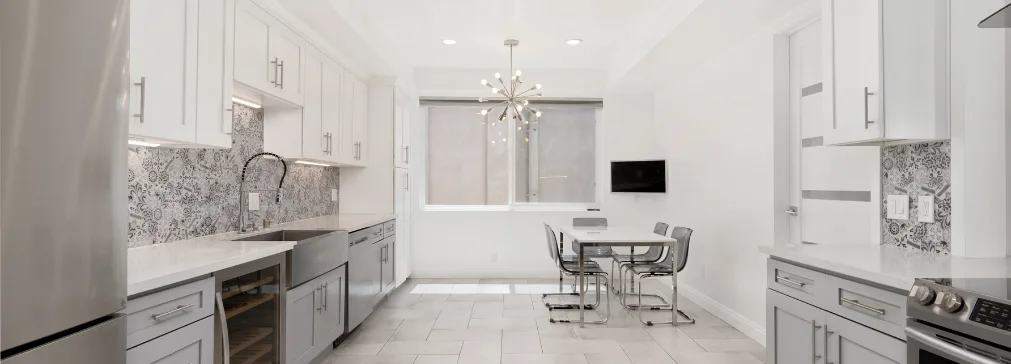
Kitchens in older Woodlands homes, especially in neighborhoods like Panther Creek, Grogan’s Mill, Cochran’s Crossing, and Alden Bridge often hide age-related issues such as slow plumbing leaks, outdated ventilation systems, worn cabinetry, and older electrical wiring. Addressing these problems early can prevent costly structural damage and extend the life of your kitchen for many years. Homeowners exploring renovation options often begin by reviewing expert kitchen remodel services to understand how layout planning, ventilation improvements, and durable materials come together in a well-managed renovation. For local projects, our kitchen remodeling services in The Woodlands, Texas demonstrate how thoughtful upgrades can resolve aging issues while creating a more functional and modern kitchen space.
If your kitchen is 20–30+ years old, it helps to follow a proven maintenance routine and also understand when it’s smarter to upgrade. (If you’re planning future improvements, these guides pair well with this article: upgrading a 20–30 year old kitchen in The Woodlands, how long kitchens last in The Woodlands, and kitchen remodel timeline planning.)
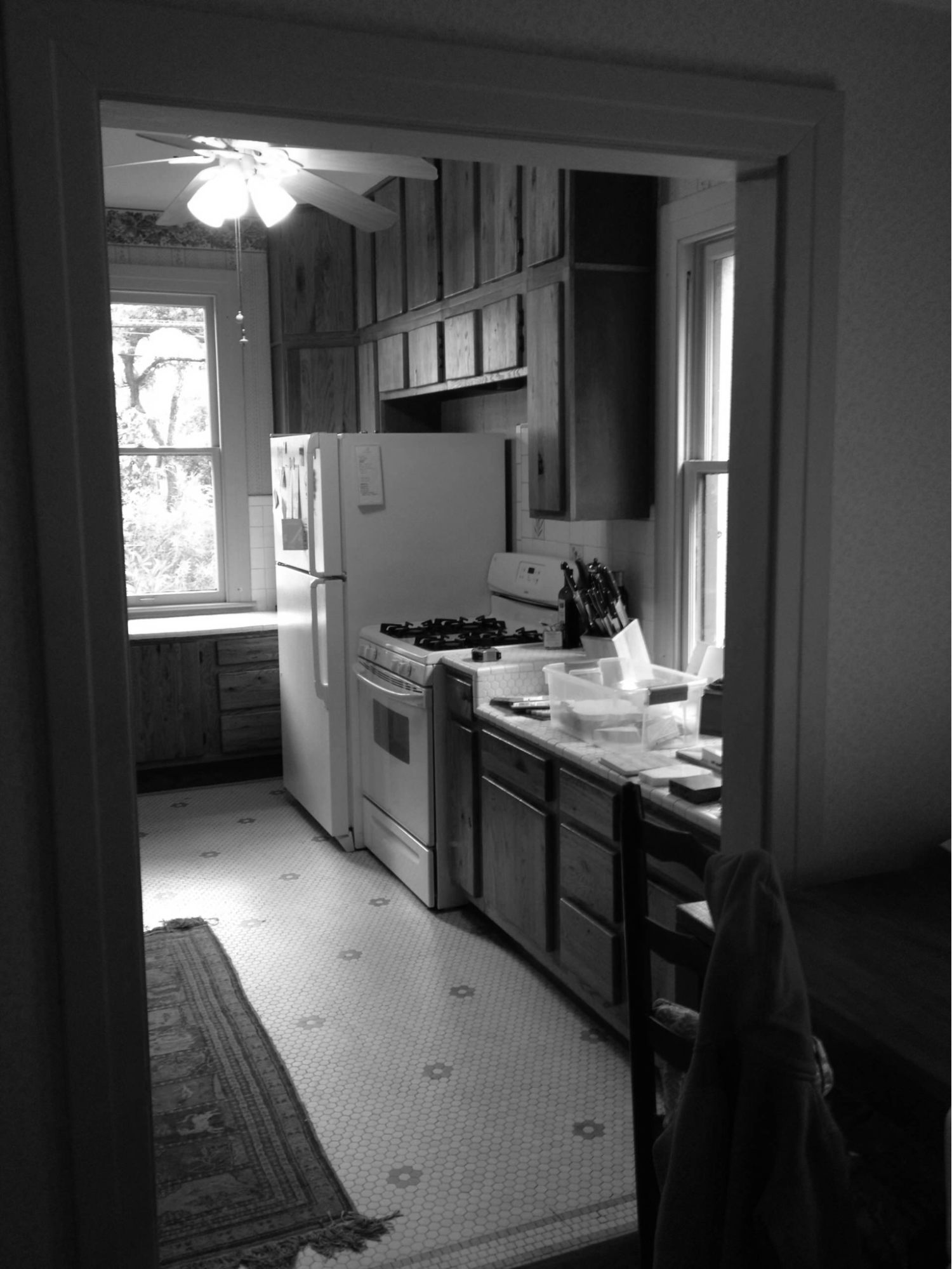
And if you ever want a second opinion on what’s simple “maintenance” versus a renovation that is turning into a full remodeling project, reviewing real renovation examples can be helpful. Projects like the Spring kitchen remodel project and the Tomball kitchen remodel project show how layout changes, cabinet upgrades, and improved storage can transform kitchens beyond routine maintenance. Homeowners can also connect with experienced remodeling contractors for The Woodlands to better understand when a repair becomes a larger remodeling opportunity.
1. Control Moisture Before It Destroys Cabinets & Walls
Moisture is the quiet enemy of older kitchens. Over time, it leads to:
- Swollen cabinet doors
- Soft, crumbling cabinet bases
- Peeling paint and damaged drywall
- Mold growth behind appliances and under sinks
The U.S. Environmental Protection Agency (EPA) explains that mold can grow wherever moisture is not controlled in the home — and kitchens (especially under-sink areas) are common hotspots. Review the basics here: EPA Mold Course – Chapter 1.
What You Should Do Regularly
- Wipe condensation around windows, backsplashes, and near the range.
- Check under the sink and around the dishwasher for dampness or musty smells.
- Inspect caulking around the sink, backsplash, and countertop seams — re-caulk if it is cracked.
In humid seasons, moisture protection works best when ventilation is also strong — see Kitchen Ventilation 101 for The Woodlands for practical hood and airflow upgrades that reduce steam buildup.
If you already see cabinet swelling, soft wood, or wall staining, it’s often beyond DIY. At that stage, it helps to speak with a remodeling contractor in The Woodlands before the damage spreads into flooring or framing.
2. Inspect Kitchen Plumbing to Catch Leaks Early
In older Woodlands homes, slow leaks often start at:
- Sink drain connections
- Dishwasher supply and drain lines
- Refrigerator ice-maker lines
- Old shutoff valves under the sink
The EPA highlights that small household leaks can waste significant water over time — and many leaks are easy to fix once detected. Learn more here: EPA – Fix a Leak Week.
Monthly Plumbing Checklist
- Open sink cabinets and feel for dampness, swelling, or musty smells.
- Look for discolored or bubbling laminate beneath the sink.
- Check for water stains on the wall behind the fridge or dishwasher.
- Listen for dripping sounds when all faucets and appliances are off.
If your kitchen repeatedly shows water stains, cabinet base swelling, or flooring softness near the sink, you may be better served by a small targeted upgrade (instead of patching again and again). This connects well with extending the life of your Woodlands kitchen and preventing costly repairs long-term.
For homeowners planning a broader refresh, plumbing fixes can be timed with interior remodeling services in The Woodlands so you’re not opening cabinets and walls twice.
3. Improve Kitchen Ventilation to Reduce Grease, Odor & Humidity
Many older Woodlands homes still rely on weak ventilation — which means grease and moisture cling to cabinets, ceilings, and grout.
- Weak ductless (recirculating) range hoods
- Hoods that don't actually vent outside
- Old fans that are noisy but ineffective
The EPA notes that improving indoor air quality starts with ventilation and source control (like removing cooking moisture at the source). Read more here: EPA – Improving Indoor Air Quality at Home.
Ventilation Upgrades to Consider
- Install a vented hood that exhausts outdoors (many kitchens benefit from stronger airflow than older hoods provide).
- Clean or replace filters every month in a heavily used kitchen.
- Run the hood while cooking and for 5–10 minutes afterward.
- Ensure ducts are not crushed, blocked, or venting into the attic.
For a deeper dive, this article is a good companion: Kitchen Ventilation 101 (Woodlands). Better airflow protects cabinet finishes and helps prevent the “sticky film” buildup that makes older kitchens feel permanently dingy.
4. Maintain Cabinets Before They Sag, Crack, or Rot
Cabinets in 20–40-year-old homes have endured constant load, daily wear, and humidity. Early maintenance can prevent sagging shelves, cracked joints, and sink-base rot.
Maintenance Tips for Older Woodlands Cabinets
- Tighten or replace loose hinges, drawer slides, and screws.
- Install support brackets under long or heavily loaded shelves.
- Seal raw wood edges inside sink bases and around plumbing cut-outs.
- Repaint or re-stain cabinet faces to protect against humidity.

If you’re debating “repair vs replace,” this comparison helps: custom cabinets vs stock vs semi-custom. It’s also smart to understand material performance in local humidity: kitchen cabinet durability in The Woodlands.
When cabinet damage is widespread (especially around the sink), it’s usually more cost-effective to bundle fixes with a planned refresh through interior remodeling services in The Woodlands instead of chasing one repair at a time.
You can see what a full, well-planned refresh looks like after years of cabinet wear and layout limitations in this kitchen remodel , where aging cabinets, moisture-prone areas, and outdated storage were replaced with a more durable, easier-to-maintain design.
5. Care for Countertops to Prevent Cracks & Hidden Water Damage
Common materials in older Woodlands kitchens include tile, laminate, and early-generation stone. The biggest risk is water sneaking into seams and cutouts and damaging the substrate below.
Care Tips
- For stone: Reseal periodically if water no longer beads on the surface.
- For tile: Regrout cracks to prevent water from seeping into the substrate.
- For laminate: Avoid standing water near sink cutouts and seams.
If you’re planning a countertop upgrade, compare options that hold up well in daily use: quartz vs granite vs porcelain in The Woodlands.
And if your counters are failing at seams, it’s often a sign the kitchen is ready for a broader plan — especially if you’re also seeing cabinet and flooring issues. You can start with a simple estimate request here: request a free quote.
6. Keep Appliances Clean, Safe & Efficient
Appliances in older kitchens can quietly cause bigger problems — especially dishwashers and fridges with brittle supply lines or slow hidden leaks.
Simple but Powerful Maintenance Tasks
- Vacuum refrigerator coils every 3–6 months to reduce overheating and energy waste.
- Replace brittle or cracked rubber hoses on dishwashers and ice-makers.
- Check oven door seals so heat isn't leaking out.
- Clean grease buildup around the stove and inside ovens to reduce fire risk.
If your appliances are older and your kitchen layout feels inefficient, you’ll benefit from reviewing the best kitchen layouts for Woodlands homes (and the 2026 update: best kitchen layouts by home type (2026)).
7. Fix Flooring Problems Before Subfloor Damage Sets In
Flooring is where “small problems” become expensive. Cracked tile or loose grout near the sink/dishwasher often signals movement or moisture — and if water reaches the subfloor, costs rise fast.
- Cracked tiles near the dishwasher
- Loose grout near the sink or fridge
- Hollow-sounding tiles in main walking paths
Early regrouting, sealing, or replacing a few tiles is far cheaper than subfloor repair. If you’re already seeing multiple problem zones (cabinets + floors + counters), it may be time to evaluate a phased refresh with interior remodeling services in The Woodlands.

8. Don't Ignore Electrical Safety in Old Kitchens
Older kitchens weren’t designed for today’s appliance loads. A microwave, air fryer, toaster, kettle, and coffee machine on the same circuit can quickly expose weaknesses in older wiring or outlet protection.
- Non-GFCI outlets near the sink
- Overloaded circuits feeding too many appliances
- Old wiring not designed for modern cooking loads
For practical electrical safety guidance, the U.S. Consumer Product Safety Commission (CPSC) provides consumer education on electrical hazards and prevention: CPSC – Electrical Safety.
Have an Electrician Check:
- Whether outlets near sinks/counters are GFCI-protected.
- If the kitchen has dedicated circuits for high-draw appliances.
- Whether outlets feel warm, buzz, or cause frequent breaker trips.
Electrical updates can often be integrated during a planned kitchen refresh, which is also a good time to review budget and scope: planning a realistic remodeling budget in The Woodlands.
9. Prevent Mold & Health Issues by Managing Humidity
Older homes + dense tree cover + humid seasons can make kitchens a condensation hotspot — especially behind fridges, under sinks, and in corners with poor airflow.
The CDC explains how dampness and mold exposure can contribute to health symptoms for many people. Learn more here: CDC/NIOSH – Mold: Health Problems.
How to Keep Kitchen Humidity Under Control
- Use the range hood every time you cook, especially when boiling or frying.
- Open windows when weather allows to cross-ventilate.
- Dry spills immediately instead of letting them air-dry on wood or grout.
- Consider a small dehumidifier if your kitchen frequently feels damp.
If your kitchen constantly feels sticky or musty, it may also be a finish/material issue. These two guides help you choose smarter surfaces for local humidity: choosing the right materials for humid Texas weather and most durable kitchen materials for Woodlands homes (2026).
10. Annual Kitchen Maintenance Checklist for Older Woodlands Homes
Use this once a year as a quick DIY “health check” for your kitchen:
| Area | What to Inspect | Why It Matters |
|---|---|---|
| Plumbing | Leaks, stains, loose hoses | Prevents cabinet and floor rot. |
| Ventilation | Hood strength, ducting, filter cleanliness | Reduces grease, odor, and moisture issues. |
| Cabinets | Sagging, soft wood, loose hardware | Extends lifespan of existing cabinetry. |
| Countertops | Cracks, stains, missing grout or caulk | Stops water from reaching the substrate. |
| Flooring | Cracked or hollow tiles | Avoids expensive subfloor reconstruction. |
| Electrical | GFCI outlets, breaker trips, warm outlets | Improves safety and reduces fire risk. |
| Appliances | Coils, seals, unusual noises | Prevents sudden failure and hidden damage. |
If your annual check reveals recurring issues, it may be time to pair maintenance with a strategic upgrade. A quick conversation with a trusted remodeling contractor in The Woodlands can help you decide whether repair, partial updates, or a remodel is the smarter move.
You can also compare typical project scope and cost drivers here: kitchen remodeling cost in The Woodlands.
Final Thoughts
Older kitchens in The Woodlands don't automatically need full gut remodels. With consistent maintenance, you can:
- Prevent small leaks from turning into full cabinet replacements.
- Reduce the risk of mold, rot, and structural damage.
- Keep appliances and electrical systems working safely.
- Stretch the life of your current kitchen by a decade or more.
The key is to treat your kitchen like a long-term asset: inspect, maintain, and fix issues early — before they snowball into costly repairs. If you think your kitchen is nearing the “upgrade” stage, these guides can help you plan smarter: best kitchen layouts, kitchen designs for Woodlands home types, and interior upgrades that increase home value.
If you’re choosing a remodeling contractor in The Woodlands for planning, reach out to experienced remodeling contractors serving The Woodlands or contact us to discuss your kitchen’s layout, your home’s age, and the best next step.
Choosing the right contractor matters. Reach out to Remodeling contractors The Woodlands & nearby areas like Spring, Conroe, Tomball, and Magnolia.