

Introduction
Homeowners across The Woodlands are looking for exterior upgrades that look premium, hold up in our humidity, and reduce long-term operating costs. Sustainable and eco-friendly exterior improvements can do all three by improving energy performance, lowering water use, and using materials that last longer with fewer repairs. Many homeowners begin by consulting experienced remodeling contractors in The Woodlands, Texas who understand how exterior materials perform in the Texas climate. You can also explore our exterior remodeling services in The Woodlands, Texas to see how these upgrades are planned for local homes.
In this guide, we’ll cover practical green upgrades you can make right now plus where they fit into a smart exterior plan. If you’re also planning broader curb-appeal updates, you may like our guide on exterior enhancements and outdoor upgrades and the latest exterior remodeling trends.
Looking at real projects can also help you understand how sustainable exterior upgrades come together in practice. See examples like our Benders Landing siding and exterior renovation, the Harmony exterior renovation project, and the Champions roof and gutter replacement to see how durable materials and energy-conscious upgrades improve long-term performance.
Why Choose Sustainable Exterior Upgrades?
Sustainable upgrades aren’t only about “being green.” They’re about making your exterior perform better over time—especially in a climate where moisture, heat, and storms can shorten the lifespan of low-quality materials. A high-performing exterior can reduce cooling load, limit moisture intrusion, and help avoid costly repairs.
Key benefits of sustainable exterior upgrades
- Energy efficiency: Better insulation, reflective roofing, and tighter windows/doors reduce heating and cooling demand and help stabilize indoor temperatures.
- Water conservation: Smarter landscaping and drainage reduce irrigation needs and help manage stormwater runoff.
- Durability: Materials designed for long service life can lower replacement cycles and maintenance over the years.
- Value and resale: Buyers increasingly look for energy-smart features and lower operating costs.
If you’re weighing upgrades for humid conditions, our homeowners often reference choosing the right materials for humid Texas weather and how to maintain your new exterior so improvements stay protected for the long run.
For project planning and local installation standards, our team supports sustainable scopes through exterior remodeling services in The Woodlands, Texas, including siding, roofing coordination, windows/doors, and exterior detailing.
1. Eco-Friendly Siding Options
Siding plays a huge role in durability and moisture defense. The best eco-friendly siding choices balance responsible sourcing (or recycled content) with performance—because a longer-lasting exterior is often the most sustainable choice.
Fiber cement siding
- Engineered for durability and stability in humid conditions.
- Resists moisture, pests, and rot while mimicking wood or modern panel looks.
- Pairs well with proper flashing and water management details—especially important in storm seasons.
Recycled composite siding
- Often made with reclaimed fibers and recycled content, reducing landfill waste.
- Low maintenance and highly durable, with resistance to warping and insect damage.
- Available in modern and traditional profiles for different architectural styles.
Sustainably harvested wood (responsibly sourced)
- Offers a warm, natural aesthetic when properly detailed and sealed.
- Best suited when you’re committed to routine maintenance and moisture protection.
If siding selection is your main decision point, read how to choose the right siding for humid climates like The Woodlands. It breaks down performance, maintenance, and what matters most for long-term exterior protection.
A good local example of how durable, performance-focused siding upgrades look in practice is this Exterior Upgrades completed , where material selection, moisture protection, and finish detailing were coordinated to create a longer-lasting, low-maintenance exterior.
2. Energy-Efficient Roofing
Your roof is one of the biggest drivers of heat gain. Energy-efficient roofing can reduce attic temperatures, improve comfort, and lower cooling costs. The U.S. Department of Energy explains how reflective “cool roof” surfaces help reduce heat absorption and improve indoor comfort in many climates: Energy Saver: Cool Roofs.
Cool roof systems
- Reflect sunlight to reduce heat gain and help indoor spaces stay cooler.
- Can reduce AC demand, especially during long Texas summers.
- Works well when paired with proper attic ventilation strategies.
Metal roofing
- Long service life and can be recyclable at end-of-life.
- Reflective coatings can improve energy performance.
- Strong wind resistance and overall durability.
Solar-ready planning
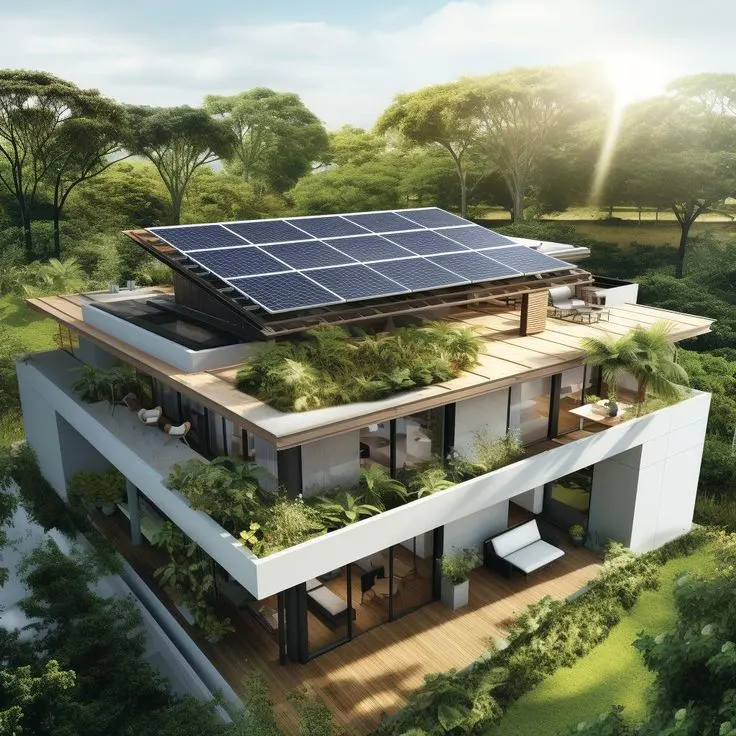
- Even if you don’t install solar immediately, planning roof penetrations and layout early can avoid rework later.
- Use experienced installers to protect the roof envelope and prevent leaks.
If your exterior plan includes multiple systems—roofing, siding, trim, and drainage—our exterior remodeling contractor guide for The Woodlands is a helpful next step before you request bids.
3. Sustainable Windows and Doors
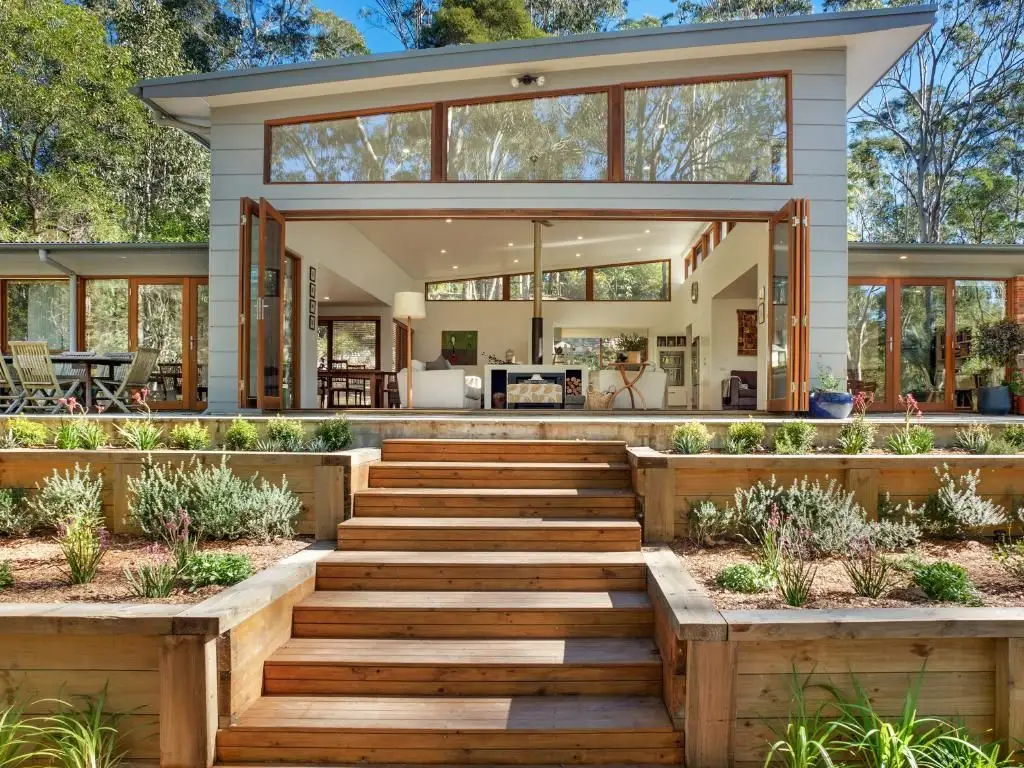
Windows and doors are common sources of air leakage and heat transfer. Upgrading to higher-performance options is one of the fastest ways to improve comfort and efficiency. The U.S. Department of Energy outlines how efficient windows, doors, and skylights reduce energy loss and improve performance: Energy Saver: Windows, Doors & Skylights.
Double- or triple-pane windows
- Insulating glass units reduce heat transfer and help maintain indoor temperatures.
- Can improve sound control and everyday comfort.
Low-E glass options
- Helps reflect infrared/UV energy and can protect interiors from sun-related fading.
- Often recommended in hot climates depending on exposure and orientation.
Better weatherstripping and threshold details
- Small details reduce drafts, moisture intrusion, and energy loss.
- Great “high-impact” upgrade even if you’re not replacing every unit at once.
For more ideas and real-world examples of what changes the feel of a home quickly, see window and door upgrades that make a big impact.
4. Green Landscaping and Hardscaping
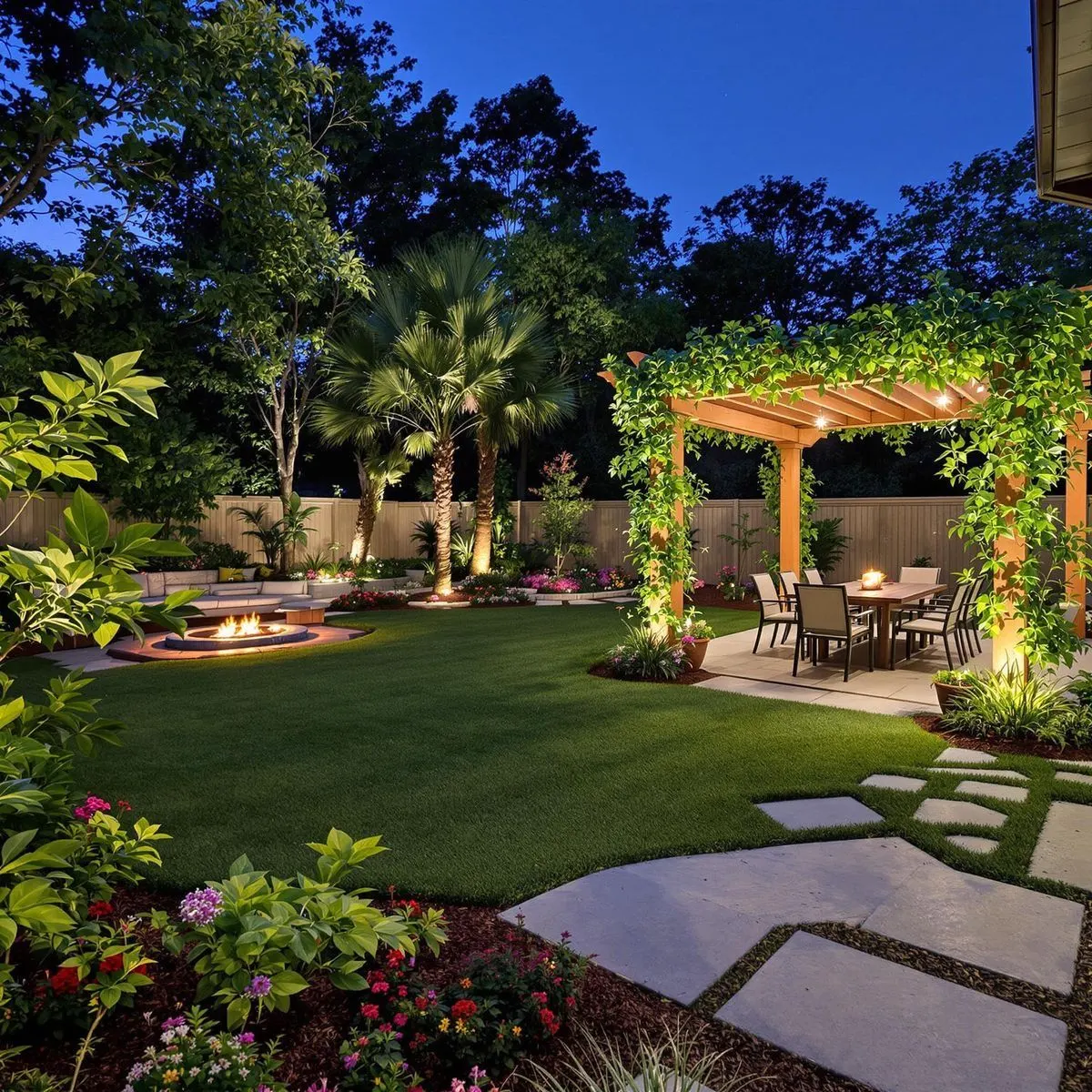
Landscaping can lower water use, support local ecology, and even help with exterior comfort. Strategic plant selection and smarter drainage can reduce runoff issues while keeping curb appeal strong year-round.
Native and drought-tolerant plants
- Often need less supplemental watering once established.
- Can reduce fertilizer demand and ongoing maintenance.
- Supports local pollinators and wildlife habitats.
Rain gardens and permeable surfaces
- Help stormwater soak into the ground instead of rushing to drains.
- Reduce puddling and erosion and can protect surrounding areas from runoff.
- Pair well with proper grading and downspout routing.
Mulch and low-water landscape planning
- Mulch helps retain soil moisture and suppress weeds.
- Thoughtful plant grouping reduces irrigation waste.
If you’re rebuilding outdoor areas as part of an exterior refresh, you’ll also like designing outdoor living spaces for layout ideas that blend function, shade, and long-term durability.
Need help coordinating exterior upgrades and outdoor improvements? Our local team works with homeowners through exterior remodeling services in The Woodlands, Texas to plan materials and installation details that hold up in real conditions.
5. Renewable Energy and Smart Technology
Adding renewable energy planning and smart outdoor tech can raise efficiency and convenience at the same time. If you’re considering solar, the U.S. Department of Energy provides a helpful overview for sizing and planning a residential system: Energy Saver: Planning a Home Solar Electric System.
Solar planning (roof + electrical readiness)
- Plan roof penetrations and layout early to avoid rework later.
- Coordinate with roofing and flashing details to protect the roof envelope.
- Consider shade patterns and panel placement for performance.
Smart outdoor lighting
- LED fixtures reduce energy use while improving security and nighttime usability.
- Motion sensors and scheduling prevent unnecessary runtime.
- Great complement to curb-appeal upgrades and exterior safety planning.
Efficient exterior features
- Timers and smart controls help reduce waste across outdoor systems.
- Right-sized equipment avoids overuse and lowers operating cost.
If you’re layering tech into a bigger exterior scope, smart home exterior integration is a great follow-up read.
6. Water Conservation Features
Water-smart upgrades reduce irrigation demand and help manage runoff. The EPA WaterSense program shares practical guidance for improving outdoor efficiency and using water more wisely: EPA WaterSense: Outdoor Water Use.
Rainwater harvesting
- Captures roof runoff for irrigation use later.
- Can reduce stormwater runoff and ease demand on municipal supply.
Drip irrigation + smart controllers
- Delivers water at the root zone to reduce evaporation and overspray.
- Timers and smart controllers reduce waste and support consistent plant health.
Permeable driveways and walkways
- Helps water infiltrate the soil rather than running off.
- Can reduce puddling and improve drainage performance.
If you’re also managing moisture and humidity impact on exterior materials, revisit our humid-weather materials guide for selections that resist swelling, warping, and premature wear.
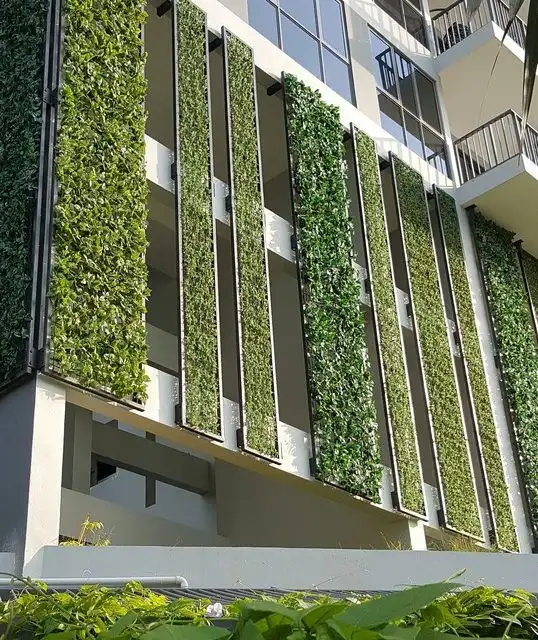
7. Living Walls and Green Facades
Living walls and green facades add a bold design layer to an exterior while improving shade and comfort around the home. Even simpler approaches—like trellises with climbing vines or planter-based vertical gardens—can soften large wall surfaces and create a more natural, high-end look.
Benefits of green facades
- Added shade: Can reduce heat on exterior wall surfaces and improve outdoor comfort.
- Visual impact: Adds texture and movement to flat surfaces, especially on modern exteriors.
- Design flexibility: Works as a full feature wall or a smaller accent zone near entries and patios.
For best results, plan irrigation, drainage, and maintenance access from day one—especially in humid climates.
Tips for Implementing Sustainable Exterior Upgrades
Sustainable upgrades work best when they’re planned as a system—roofing, siding, windows/doors, drainage, and landscaping all affect long-term performance.
- Start with the “weak points”: Air leaks, moisture entry locations, and sun exposure zones usually offer the biggest ROI.
- Prioritize durability in humid climates: Materials that resist moisture and hold their shape reduce replacement cycles.
- Upgrade in the right order: Roofing/water management first, then openings (windows/doors), then cladding and finishes.
- Use proven installation details: Flashing, sealing, and ventilation matter as much as the product you choose.
- Plan maintenance from day one: Even low-maintenance systems benefit from routine inspections.
If you want a realistic approach to scheduling and scope, our team often recommends pairing this guide with maintaining your new exterior and exterior enhancements that boost curb appeal.
Final Thoughts
Sustainable and eco-friendly exterior upgrades are an investment in comfort, durability, and long-term value. From efficient roofing and better windows/doors to smarter landscaping and water management, the right upgrades can reduce operating costs while keeping your exterior looking sharp year after year.
If you’d like help planning an exterior scope that fits your home and climate, connect with us through our contact page or explore our exterior remodeling services in The Woodlands, Texas.
Curious how nearby homeowners rate their remodeling experience? Read verified reviews and local project feedback for remodeling experts in The Woodlands .
Choosing the right contractor matters. Reach out to Remodeling contractors The Woodlands & nearby areas like Spring, Conroe, Tomball, and Magnolia.