

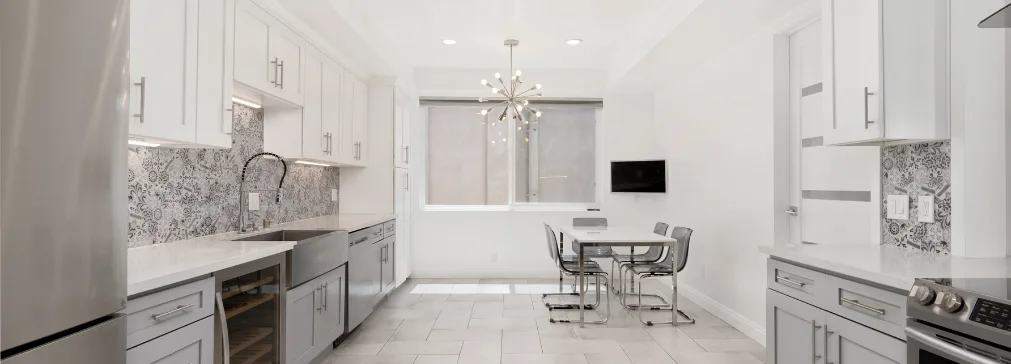
Introduction
“Sustainable interiors” sounds like a big concept, but for homeowners it comes down to one simple goal: make your home more efficient, healthier to live in, and easier to maintain—without giving up comfort or style. Learn more about how thoughtful upgrades and materials can improve everyday living with Home Remodeling Services, and explore professional solutions tailored specifically for local homes through Home Remodeling Services in The Woodlands.
We’ll cover four pillars that matter most in an interior remodel: water, energy, materials, and indoor air quality (IAQ). You’ll also get a room-by-room checklist, common mistakes to avoid, and a practical planning workflow.
If your next step is a full interior scope, explore our interior remodeling services in The Woodlands, or start with high-impact zones like kitchen remodeling and bathroom remodeling.

In The Woodlands, interior sustainability often starts with the same real-life issues: humidity, odors, uneven comfort, and materials that wear out too soon. Many homeowners see these challenges in kitchens, bathrooms, and living areas where moisture and daily use affect finishes over time. Looking at real renovation examples can help illustrate how performance upgrades solve these issues, such as this Spring kitchen remodeling project, a recent Magnolia bathroom remodel, and a full interior transformation like the Kingwood full interior remodel project.
This playbook is built for real remodel decisions like kitchens, bathrooms, flooring, paint, cabinetry, lighting, ventilation, and the behind-the-walls choices that affect your bills and indoor comfort. If you’re planning higher-end interior upgrades, it’s often helpful to work with experienced remodeling contractors in The Woodlands, Texas who understand how design, construction quality, and long-term performance come together in modern home renovations.
What “Sustainable Interiors” Really Means
Sustainable interiors are not about perfection or trendy labels. It’s a decision framework: choose upgrades that reduce waste and resource use, protect indoor health, and last longer with less maintenance.
A sustainable interior remodel typically improves:
- Operating efficiency (less water + less energy)
- Durability (fewer replacements over time)
- Indoor health (better ventilation and lower chemical exposure)
- Build quality (details done right: sealing, moisture control, clean installation)
Think of it as high-performance comfort. A home that feels better daily and costs less to operate. For many families, the easiest “start zone” is the kitchen—especially if the layout and materials are already due for an update. If you’re comparing layouts, browse the best kitchen layouts for Woodlands homes.
Water: Efficiency Without Sacrificing Comfort
Water-saving upgrades are some of the fastest wins in a remodel—especially bathrooms, kitchens, laundry rooms, and any area where hot water is used (because hot water savings also reduce energy use).
1) Start with fixtures that cut waste
A practical approach is to select proven water-efficient products and install them correctly. The EPA’s WaterSense program helps homeowners identify products designed to reduce water use while maintaining performance.
High-impact upgrades typically include:
- High-efficiency showerheads and bathroom faucets
- Toilets designed for strong performance at lower water use
- Kitchen faucets with efficient flow and good spray pattern
2) Fix “hidden” water losses during remodeling
During remodels, we often find avoidable issues: worn shutoff valves, slow leaks at supply lines, poorly sealed shower assemblies, or incorrect slope/drain details. Sustainable remodeling is also water-damage prevention. A small leak becomes flooring replacement, cabinet repair, and mold risk.
If you’re planning a bathroom update, consider reading bathroom remodeling in The Woodlands alongside bathroom remodeling for aging in place (both highlight planning details that prevent moisture problems later).
3) Design for faster hot water delivery
Long waits for hot water waste gallons daily. If your layout allows, shorten pipe runs during a remodel, improve access for maintenance, and consider plumbing design that reduces dead volume.
Bottom line: water efficiency is not only about the fixture—it’s also about installation quality and smart layout planning.
Energy: Reduce Load, Improve Comfort, Lower Bills
Energy-smart interior remodeling focuses on reducing the load your home carries daily—lighting, HVAC runtime, humidity control, and heat gain/loss. Done well, your home feels more comfortable and consistent room-to-room.
1) Lighting upgrades with immediate impact
Lighting is one of the easiest places to reduce energy use without touching the structure. ENERGY STAR’s guidance on upgrading lighting is a solid roadmap for choosing efficient lighting and using it effectively.
Remodel-ready lighting improvements:
- LED fixtures for kitchens, baths, hallways, and closets
- Task lighting to reduce over-lighting the whole room
- Dimmers and occupancy sensors where appropriate
- Better layout: fewer “hot spots,” fewer shadows, more usable light
If you’re planning a wider set of efficiency upgrades, our ENERGY STAR home upgrade guide for The Woodlands is a helpful companion read to align lighting, comfort, and equipment choices.
2) Comfort is an energy strategy
A home that drafts, overheats, or holds humidity forces HVAC to run longer. In interior remodels, we look for opportunities to improve comfort details such as sealing penetrations, addressing uneven airflow, and upgrading fans/ventilation so your HVAC is not fighting moisture.
Natural light helps too—especially when paired with good glare control and efficient fixtures after dark. See tips to maximize natural light in Woodlands homes.
3) Appliances and equipment: choose efficiency where it matters
If you’re replacing kitchen appliances or laundry equipment, prioritize performance-per-watt, long-term reliability, and right-sizing (bigger is not always better). Efficient appliances reduce energy use, but they also reduce heat output—helpful in warm months.
Materials: Smarter Surfaces, Lower Waste, Longer Life
Sustainable materials are not only about “natural” materials—durability, repairability, and responsible sourcing matter just as much. The best material choice is one that looks good, performs well, and doesn’t need to be replaced prematurely.
1) Choose durable finishes where wear is highest
Kitchens, bathrooms, and entry zones take the most abuse. Sustainable choices often mean investing in finishes that:
- Resist moisture and staining
- Hold up to daily cleaning
- Can be repaired without replacing the whole surface
- Do not trap dirt or allergens
If you’re choosing counters, this comparison helps homeowners pick for durability and maintenance: quartz vs. granite vs. porcelain countertops in The Woodlands.
2) Cabinets are a sustainability decision (because they last)
Cabinets impact daily function, indoor odor, and long-term waste. A good cabinet plan reduces replacement cycles. If you’re weighing options, start with custom vs. stock vs. semi-custom cabinets, then go deeper with kitchen cabinet durability in The Woodlands.
3) Low-emissions products for a healthier interior
Paints, sealants, adhesives, and finishes can affect indoor comfort—especially right after a remodel. Choose lower-emitting options and plan ventilation during curing. For cleaning products used after the project, the EPA Safer Choice program is a trusted way to identify products designed with safer ingredients.
4) Reduce waste with smarter scope decisions
A sustainable remodel is also a scope strategy: keep what is structurally sound, refinish when practical, and replace only what limits performance, safety, or usability. This reduces landfill waste and often frees budget for higher-impact upgrades (like ventilation, lighting, and moisture control).
For climate-specific material decisions, bookmark choosing the right materials for humid Texas weather.
Indoor Air Quality: Healthier Air During and After Remodeling
Indoor air quality can improve or worsen during remodeling depending on how the project is managed. Dust control, moisture control, ventilation, and product selection matter.
The EPA’s introduction to indoor air quality is a useful reference for understanding common indoor pollutants and why ventilation and source control are important.
1) Source control: stop problems at the cause
The most effective IAQ strategy is removing or reducing the source—moisture intrusion, mold-friendly conditions, and high-emitting materials. This is why correct shower waterproofing, proper bath fan ducting, and sealing details are “sustainability work,” not optional upgrades.
2) Ventilation and humidity management
Bathrooms and kitchens must remove moisture and odors quickly. Make sure fans are correctly sized, ducted to the exterior, and controlled in a way that people actually use (quiet fans get used more often).
For kitchens specifically, this is one of the most overlooked performance upgrades: kitchen ventilation basics to prevent grease and moisture damage.
3) Filtration and dust control during remodeling
During construction, use containment where appropriate, protect return air pathways, and keep job sites clean. After remodeling, replace HVAC filters and consider a maintenance plan that keeps air moving and clean.
4) Post-remodel “flush out” plan
After paint, adhesives, or finishes are applied, ventilate the home well and keep temperatures and humidity stable. This supports faster curing and a more comfortable indoor environment.
Room-by-Room Sustainable Interior Checklist
Kitchen
- Efficient lighting layout (task + ambient)
- Durable counters and backsplash that clean easily
- Efficient faucet + leak-proof valves
- Vent hood that vents outdoors (when possible)
- Cabinet finishes chosen for low odor and durability
If you’re planning a full kitchen scope, these two reads help set expectations: kitchen remodel timeline and kitchen remodeling cost in The Woodlands.
Bathrooms
- Water-efficient fixtures installed correctly
- Quiet, effective bath fan ducted outdoors
- Moisture-resistant finishes and slip-resistant flooring
- Waterproofing system done right (non-negotiable)
For value-focused planning, see bathroom remodel ideas that add value.
Living Spaces + Bedrooms
- Lower-emission paint and finishes
- Flooring that is durable and easy to maintain
- Good lighting with flexible controls (dimmers where useful)
- Sealing around penetrations to reduce dust and drafts
Laundry + Utility Areas
- Efficient appliances where replacement is planned
- Drain pan and shutoffs where appropriate
- Ventilation and moisture control (especially near exterior walls)
How to Plan a Sustainable Interior Remodel (Step-by-Step)
Step 1: Identify your biggest “pain points”
Start with what you feel daily: humidity, odors, poor lighting, drafty rooms, water pressure issues, stains that won’t clean, or constant repairs. Sustainable remodeling is most effective when it solves real problems.
Step 2: Prioritize high-impact zones
Kitchens and baths typically offer the biggest wins because they combine water use, energy use, moisture, and heavy daily wear. If you’re dealing with older-home headaches, read common kitchen problems in older Woodlands homes.
Step 3: Build a “performance scope” before a “finish scope”
Before picking tile and paint, confirm the behind-the-walls essentials: waterproofing approach, ventilation plan, lighting layout, plumbing accessibility, and any needed sealing.
Step 4: Choose materials that match real life
In a busy household, the most sustainable finish is often the one that survives daily cleaning, kids, pets, and humidity. You want materials that do not force replacement in two to five years.
Step 5: Plan for healthier air during construction
Ask your contractor how dust is controlled, how spaces are isolated when needed, and how the home is ventilated during curing. This protects the rest of the home and improves post-remodel comfort.
Budget matters too. For a realistic approach, use how to plan a remodeling budget in The Woodlands.
Common Mistakes to Avoid
- Chasing “green” finishes while ignoring moisture control. A beautiful bathroom is not sustainable if it fails behind the tile.
- Under-sizing or mis-ducting bath fans. Quiet and correctly ducted ventilation prevents humidity damage and odor issues.
- Over-lighting with the wrong fixture layout. Efficient lighting is also about placement and controls.
- Choosing delicate materials for high-wear areas. A sustainable home is durable under real use.
- Skipping post-remodel ventilation. Give finishes time to cure with good airflow and stable humidity.
If you want a broader “what NOT to do” list, this pairs well with the playbook: common remodeling mistakes Woodlands homeowners make.
Sustainable interiors aren’t achieved by one product choice. They’re achieved by a remodel plan that treats water management, comfort, durability, and indoor health as one system.
Final Thoughts
A sustainable interior remodel is a practical upgrade to the way your home performs. If you focus on the four pillars—water efficiency, energy efficiency, smarter materials, and healthier indoor air—you end up with a home that feels better every day.
The smartest projects start with performance (ventilation, sealing, moisture control, lighting layout) and then finish with style. That sequence protects your investment and helps your interiors age well.
If you want help scoping a sustainable remodel in The Woodlands, we can review your priorities, recommend the most impactful upgrades for your layout, and build a plan that balances comfort, design, and long-term value. For local directions and customer feedback, you can reach out to home remodeling experts in The Woodlands.
Choosing the right contractor matters. Reach out to Remodeling contractors The Woodlands & nearby areas like Spring, Conroe, Tomball, and Magnolia.