

Introduction
Natural light can make a home feel larger, calmer, and more welcoming—especially in The Woodlands, where many neighborhoods sit under mature tree canopies. The goal isn’t just “more windows.” It’s a smarter daylight plan: better openings, fewer light-blocking barriers, brighter surfaces, and layered lighting that keeps rooms comfortable on cloudy days. Learn more about designing the perfect daylight plan for your home here: Home Remodeling Services in The Woodlands and explore our expert remodeling solutions here: Home Remodeling Services.
If you’ve also noticed certain rooms feeling dim at mid-day, you’re not alone. Many homeowners run into layout and finish choices that unintentionally trap light. For a deeper look at how daylight impacts comfort and interior feel, see our guide on daylight, views, comfort, and healthier interior spaces.
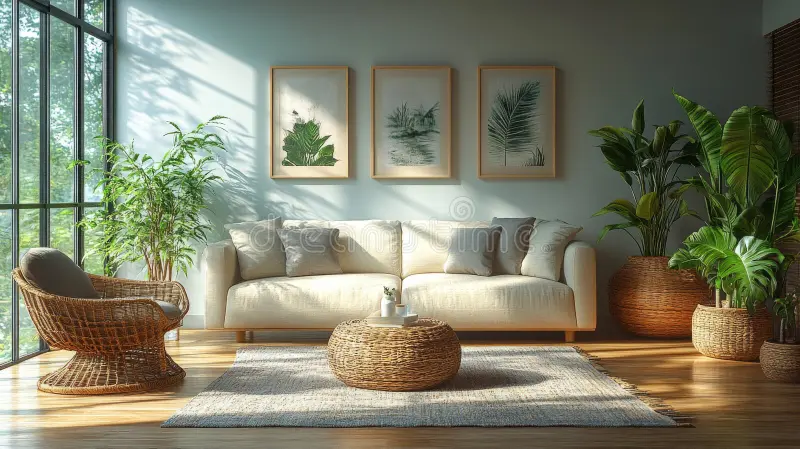
If you want a quick reality check on what layout changes, window placements, or structural updates could work best for your home style in The Woodlands, it helps to review real renovation examples and consult experienced professionals. Many homeowners start by exploring insights from remodeling contractors in The Woodlands, Texas who regularly work with homes in this area. Projects like the Kingwood full interior remodel project and the Imperial Oaks home remodel project demonstrate how thoughtful layout changes, larger windows, and improved lighting strategies can increase natural light while keeping the overall design functional and comfortable for everyday living.
Rethink Window Placement and Size
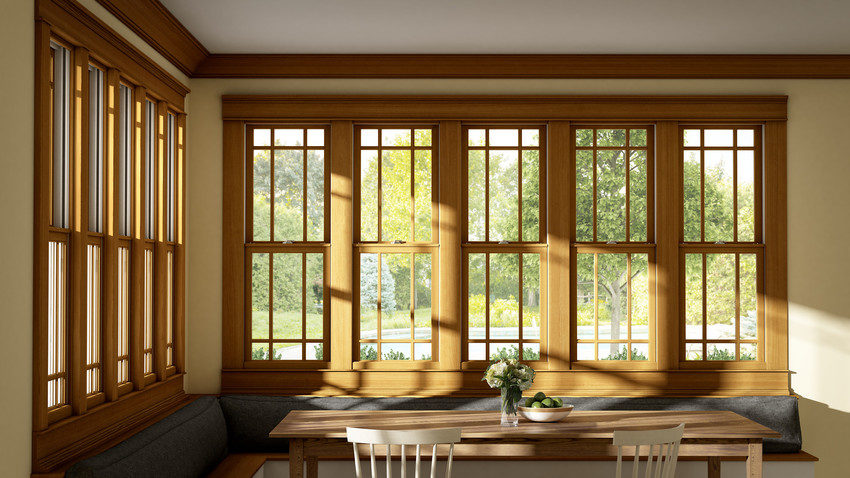
In shaded lots, “where” you place glass matters as much as “how big” it is. The best daylight results often come from balancing multiple window types: larger openings for views, higher glass for deeper light penetration, and strategic placements to reduce glare.
If you’re planning structural changes like enlarging window openings, reworking headers, or adjusting room layouts, it helps to bring in a pro team early. Our interior remodeling services in The Woodlands, Texas can align design, structure, moisture protection, and finish details—so you get brighter rooms without future issues.
Tips to consider
- Upsize key windows in living rooms and kitchens where you spend the most time.
- Add high windows (transom or clerestory) to push daylight deeper into the room while maintaining privacy.
- Use picture windows on the best view walls to connect interiors to wooded scenery.
- Prioritize energy-smart glazing to manage heat and humidity.
If your project includes replacing exterior openings along with façade updates, you may also like: window and door upgrades that make a big impact.
When planning to increase natural light, it is essential to use energy-efficient materials. For guidance on energy standards for windows, check out the ENERGY STAR windows, doors, & skylights guidelines.
Embrace Open-Concept Layouts
Walls and narrow openings can stop daylight at the first room it enters. Even small layout changes—like widening a doorway—can help light travel further. Bigger changes, like removing non-load-bearing walls, can transform how bright the entire home feels.
Ways to open your space
- Remove non-load-bearing walls to create longer sightlines for daylight.
- Replace tight doorways with wide cased openings or arch transitions.
- Use glass-panel interior doors where you want separation without darkness.
If you’re debating whether open layouts fit your lifestyle, compare the pros/cons in: open-concept vs defined spaces.
If your plan includes structural modifications, permitting, or load-path changes, experienced remodeling contractors in The Woodlands can help you do it safely and in the right sequence.
Reflective Materials and Light Color Palettes
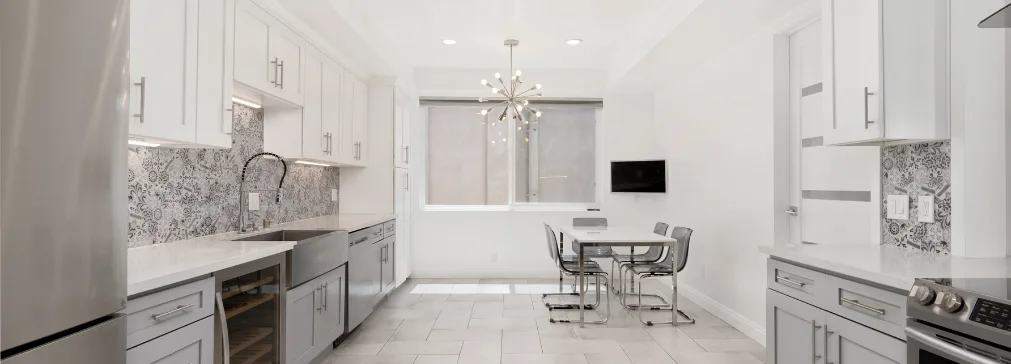
If you want a brighter home without moving walls, finishes are your best friend. Light colors and reflective surfaces bounce daylight around the room, reducing shadows and making spaces feel more “open” even on overcast days.
What works best
- Light paint colors (soft whites, warm neutrals, pale greiges) for walls and ceilings.
- Satin or eggshell paint finishes for better light bounce without a harsh shine.
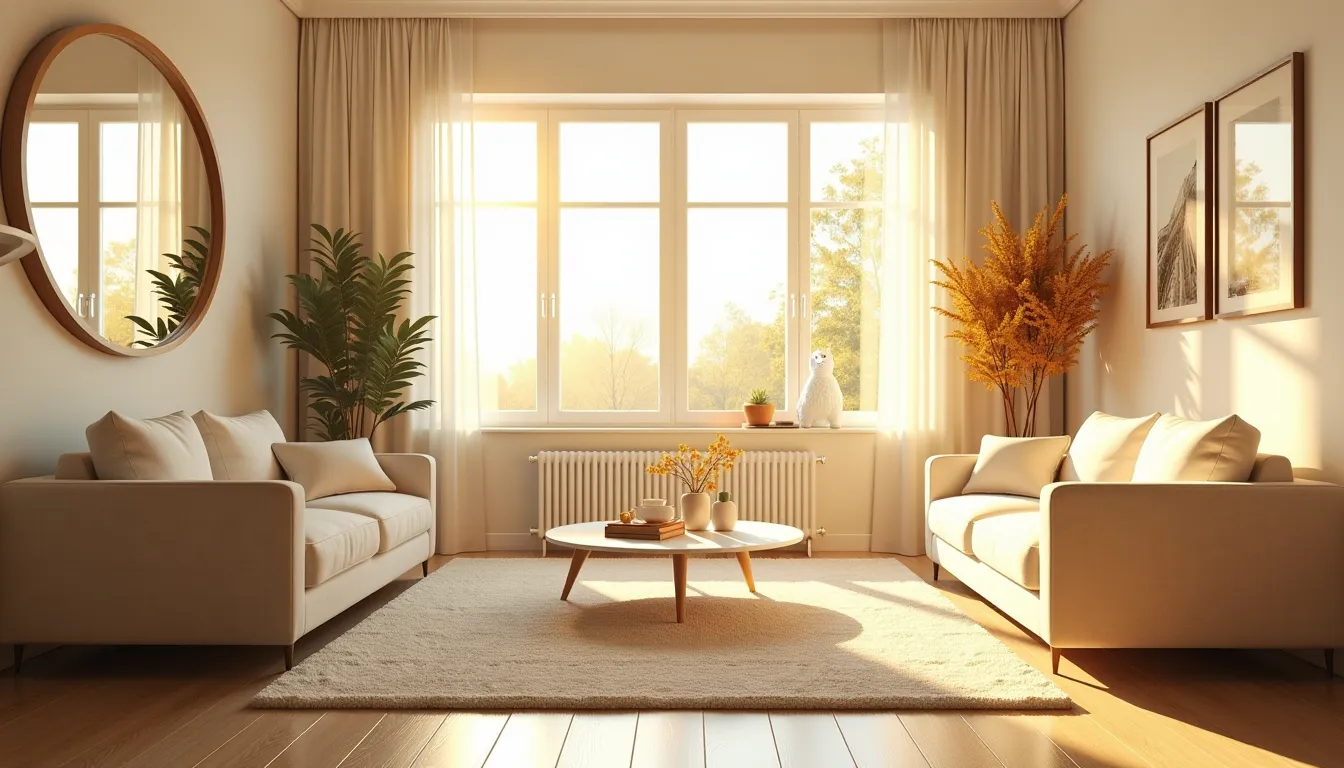
- Mirrors placed opposite windows to reflect daylight deeper into the room.
- Light-toned flooring and rugs to reduce light absorption.
In kitchens, cabinetry and countertops strongly affect brightness because they cover large visual areas. If you’re planning upgrades, you may want to compare options in custom cabinets vs stock vs semi-custom and explore inspiration from luxury interior remodeling ideas inspired by Woodlands custom homes.
For best practices on selecting eco-friendly and energy-efficient paint options, refer to recommendations from the EPA’s energy-efficient products list for sustainable home improvements.
Choose Glass and Skylight Additions
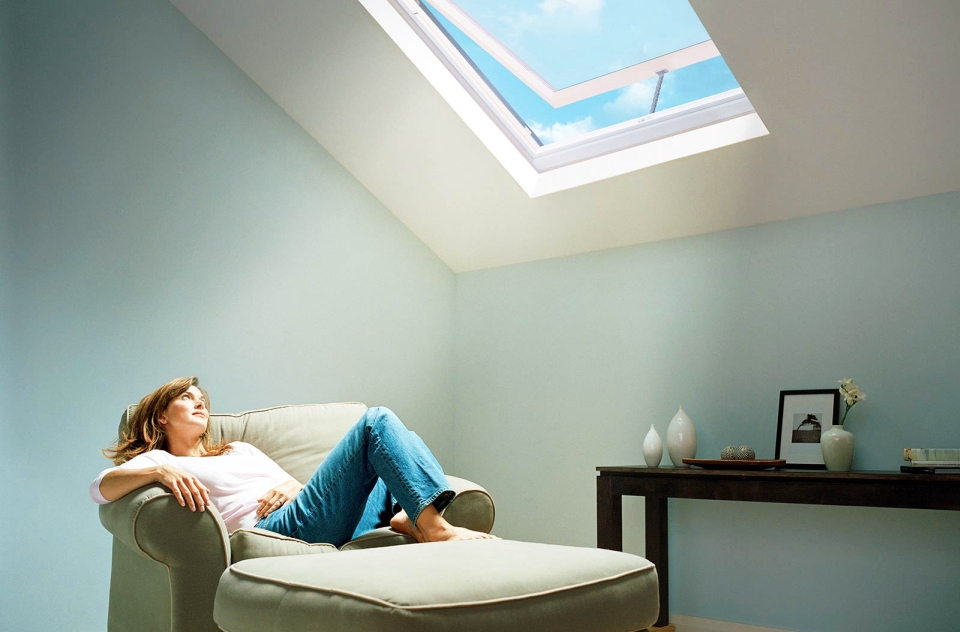
Skylights and other overhead daylight options are powerful in The Woodlands because tree cover can limit side-window light. The key is choosing the right type and detailing it correctly (flashing, sealing, and moisture control).
Effective options
- Skylights for kitchens, stairwells, and main living zones where you want “top light.”
- Solar tubes for hallways, closets, and interior bathrooms where full skylights aren’t practical.
- Interior glass panels to share daylight between rooms while preserving separation.
Planning a larger remodel where daylighting ties into airflow and humidity performance? Pair this with: choosing the right materials for humid Texas weather.
Trim Exterior Greenery Thoughtfully
The Woodlands canopy is a big part of the charm—but it can also block sunlight from reaching windows. Strategic pruning can improve daylight while keeping shade where you need it most (like late afternoon heat zones).
Outdoor adjustments
- Prune overgrown limbs that block key windows (especially living and kitchen windows).
- Keep shrubs below sill height near daylight-critical windows.
- Choose lighter landscaping near primary openings to avoid “green tint” and shadowing.
If you’re refreshing the exterior at the same time, explore: exterior enhancements and outdoor-care upgrades and maintaining your new exterior.
Upgrade to Light-Enhancing Window Treatments
Window coverings can either amplify daylight—or cancel it out. If your rooms feel dim even with decent windows, switching to light-filtering options often delivers an immediate improvement.
Best choices
- Sheer curtains for softened daylight with privacy.
- Top-down/bottom-up shades to keep privacy while letting light in from above.
- Solar shades for glare control without “blackout” darkness.
- Motorized options for tall or hard-to-reach windows.
Pro tip: if you’re doing new windows and treatments, plan them together so casing depth and mounting choices don’t reduce glass exposure.
Use Lighting Strategically to Complement Natural Light
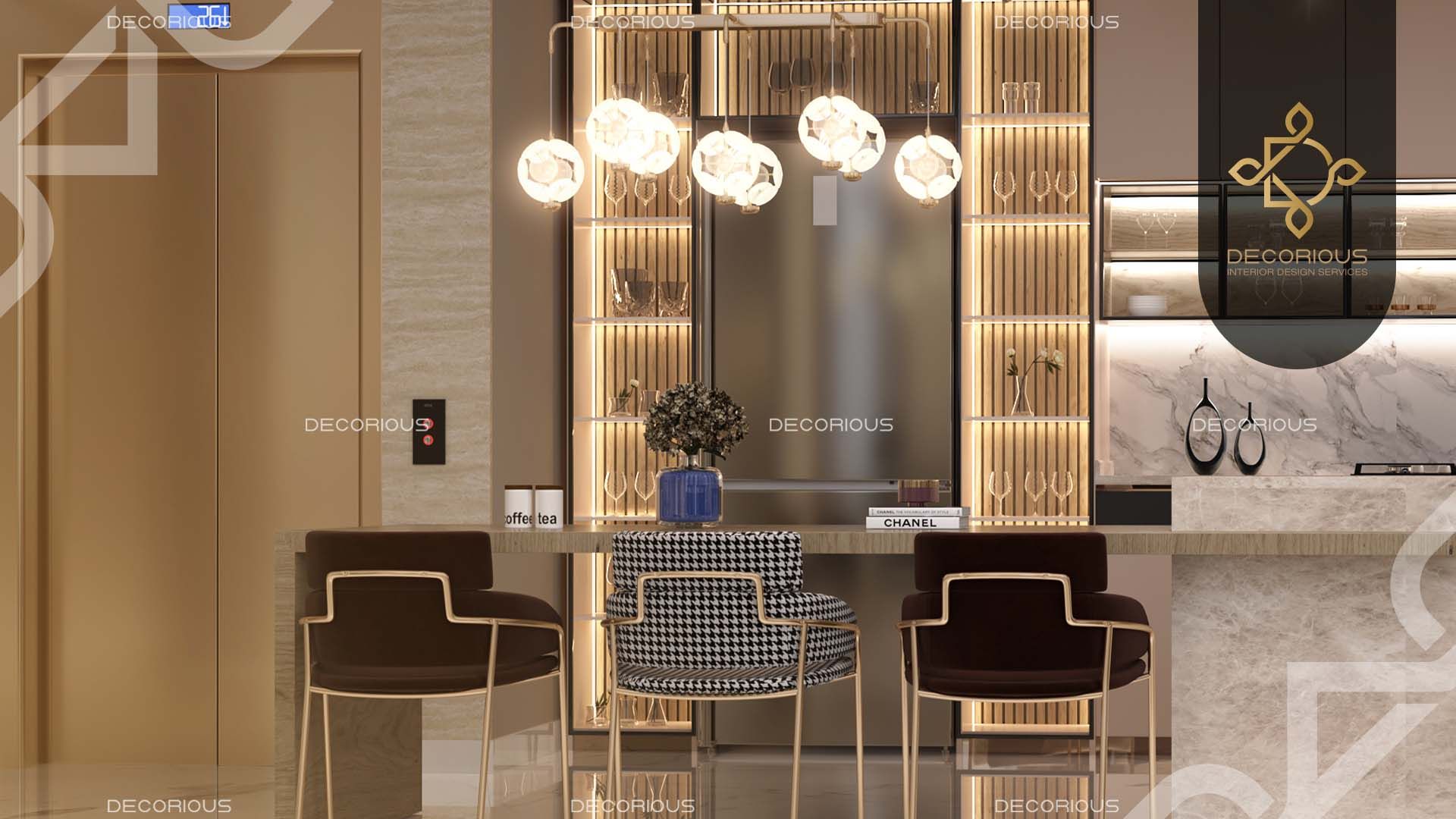
Even a well-daylit home needs great lighting at night and on stormy days. The best approach is “layering”: ambient lighting for overall brightness, task lighting for work zones, and accent lighting to reduce harsh shadows.
Recommended approaches
- Use layered lighting: recessed (ambient), pendants/under-cabinet (task), and wall washers (accent).
- Choose daylight-like LED color temperatures in key areas to keep spaces feeling crisp and bright.
- Use reflective fixtures (glass, polished metal) to help distribute light.
If your kitchen is the darkest room in the home, ventilation + lighting + layout often need to work together. You may also like: kitchen ventilation 101 (prevent grease & moisture damage).
Update Dark or Heavy Interior Elements
Dark finishes can look beautiful—but when combined with limited window exposure, they can make rooms feel smaller and dimmer. The solution isn’t “remove all contrast.” It’s choosing where contrast belongs and keeping large surfaces light.
Consider replacing or rebalancing
- Dark wall-to-wall paint with lighter tones on main walls (keep accents if you like).
- Heavy drapery with light-filtering shades or sheers.
- Bulky furniture that blocks windows with lower-profile or open-base pieces.
- Dark wood paneling with brighter wall treatments or updated trim profiles.
If your remodel includes kitchen surfaces, you can compare bright, durable countertop options in: quartz vs granite vs porcelain countertops.
Final Thoughts
Maximizing natural light isn’t one single upgrade, it’s a set of coordinated decisions. Start with the biggest blockers (layout, window exposure, heavy coverings), then refine with finishes, reflective materials, and layered lighting. The result is a home that feels brighter, more comfortable, and more connected to the wooded beauty that makes The Woodlands special.
If you want help planning daylight improvements that match your home style and lot conditions, you can contact us and if you’re choosing a remodeling contractor in The Woodlands for planning, reach out to The Woodlands home remodeling and renovation company .
Choosing the right contractor matters. Reach out to Remodeling contractors The Woodlands & nearby areas like Spring, Conroe, Tomball, and Magnolia.