

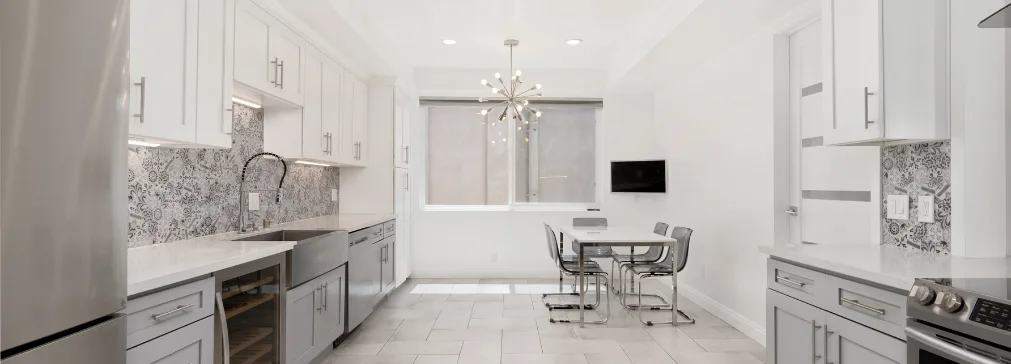
Introduction
The Woodlands, Texas, is known for its tree-lined neighborhoods, active family lifestyle, and homes that balance comfort with long-term value. One of the biggest layout questions homeowners face, especially during a remodel is whether to open up the main living areas or keep rooms more defined and separate. Learn more about designing the perfect layout for your home in The Woodlands here: Home Remodeling Services in The Woodlands and explore our home remodeling solutions here: Home Remodeling Services.
If you're planning updates (or buying a home and renovating later), it helps to think beyond trends and focus on how you actually live: entertaining, remote work, kids' routines, noise, storage, and even how humidity can affect comfort. If you want a broader roadmap before making layout decisions, you can also explore insights from experienced The Woodlands remodeling contractors and then compare your options below.
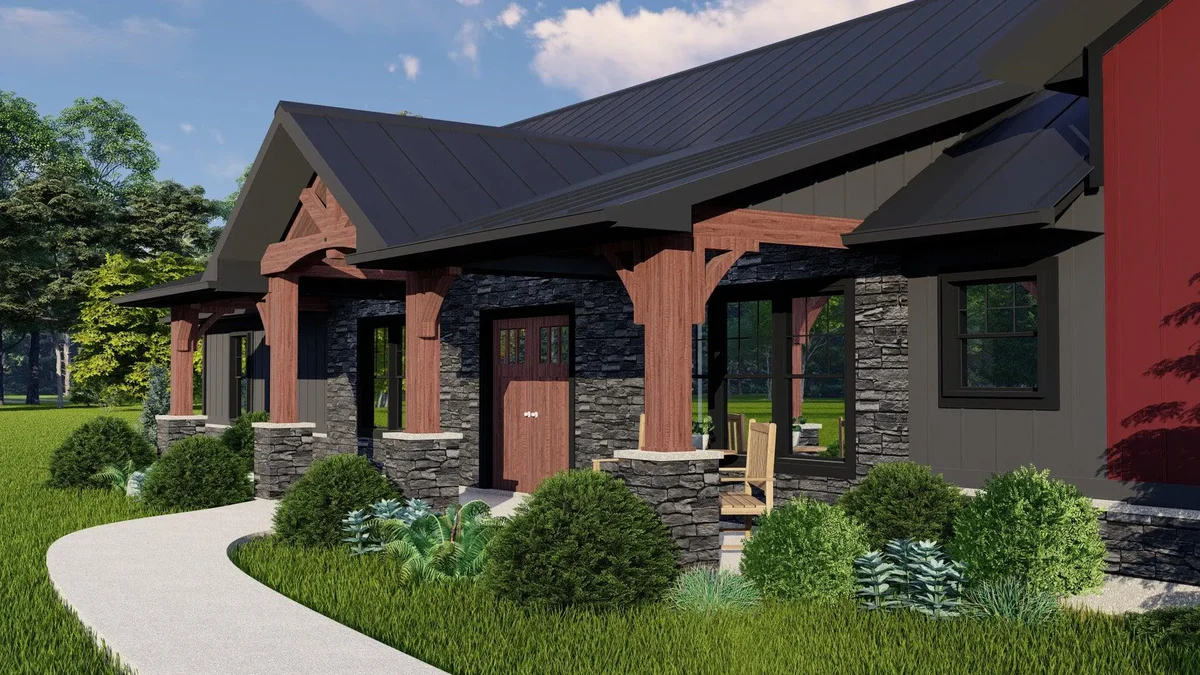
In this blog, we break down open-concept vs. defined spaces specifically for Woodlands homes plus a hybrid approach that many homeowners choose when they want openness and privacy. We also cover climate considerations, resale value, remote work needs, lighting strategies, flooring transitions, cost comparisons, and common mistakes to avoid so you can make the most informed decision possible before picking up a hammer. Real renovation examples like the Imperial Oaks home remodel project, the Harmony exterior renovation project, and the Benders Landing siding and exterior renovation show how thoughtful planning can transform both interior layouts and exterior structure while maintaining the character of Woodlands-area homes.
What Is an Open-Concept Layout?
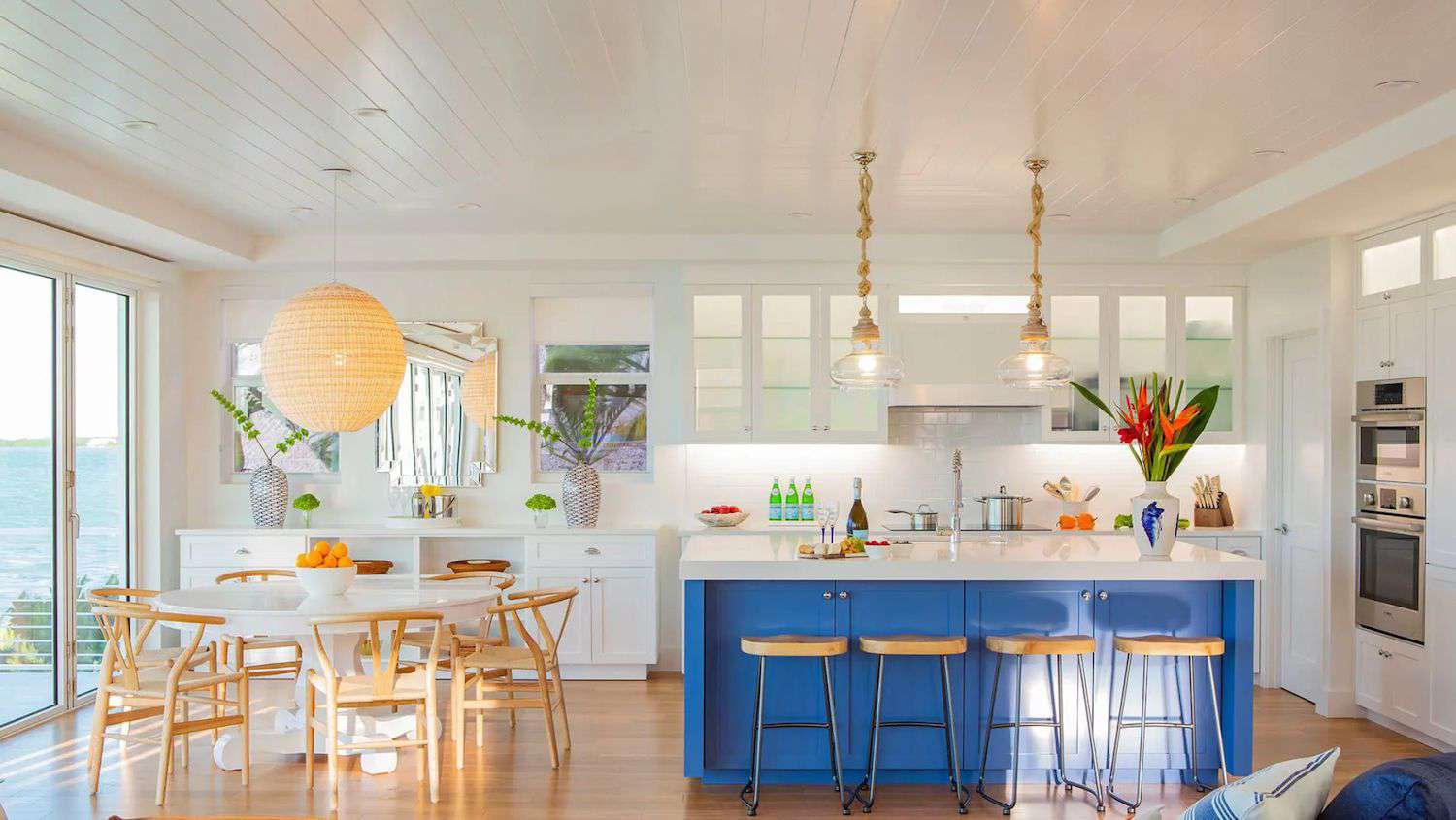
An open-concept layout blends the kitchen, dining, and living spaces into one continuous area with fewer interior walls. In The Woodlands, open plans are common in newer builds and are also a popular upgrade for older homes where families want better flow and more natural gathering space.
The idea isn't new—open floor plans have been mainstream in American homes since the 1990s—but they continue to evolve. Today's versions are smarter about acoustics, ventilation, and zone definition than their predecessors, making them a strong choice when planned carefully.
Why Woodlands Homeowners Love It
- Better flow for entertaining: Guests can move easily between the kitchen, island, dining area, and living room without passing through doorways.
- More light and visual space: Fewer walls allow natural light to travel deep into the home, making rooms feel larger and brighter—even on overcast days.
- Family-friendly sightlines: Many parents like being able to cook while keeping an eye on kids in the living area or homework zone.
- Flexible furniture arrangements: Without fixed wall boundaries, you can reconfigure seating, dining, and lounge areas as your needs change over the years.
- Great for smaller footprints: Eliminating the "hallway between rooms" effect can make a moderately sized home feel significantly roomier.
Potential Drawbacks
- Noise travels: TVs, conversations, and appliances can overlap—especially when someone is working, studying, or sleeping.
- Less wall space: Storage, furniture placement, and art placement can get trickier when there are fewer vertical surfaces.
- The kitchen is always "on display": If you dislike visible dishes and prep mess, an open plan requires stronger organization systems and disciplined habits.
- HVAC efficiency can drop: Large, open areas may be harder to heat or cool efficiently, especially during peak summer months in The Woodlands.
- Cooking smells spread: Without a door to contain them, strong cooking odors circulate throughout the main living zone. Proper ventilation becomes critical.
If your open layout includes a major kitchen update, compare layout choices in our guide to the best kitchen layouts for Woodlands homes. For open plans, ventilation matters even more—so it's worth skimming Kitchen Ventilation 101 to avoid grease and moisture issues spreading into living areas.
Planning a full redesign? Our kitchen remodeling services in The Woodlands, Texas team can help you choose a layout that looks great and functions well day-to-day.
When choosing windows for an open-concept space, it's essential to follow energy-efficient guidelines. For the best options in energy-efficient windows, the ENERGY STAR® windows, doors & skylights guidelines are a great reference.
What Are Defined Spaces?
Defined spaces use walls, openings, or partial dividers to separate rooms—kitchen, dining, office, formal living, family room—so each space has a clear purpose. In many traditional Woodlands homes, defined rooms create a cozy, structured feel and can be a big win for privacy and focus.
This layout style often gets unfairly labeled as "outdated," but the reality is different. Defined spaces are experiencing a quiet comeback—driven in large part by the rise of remote work, multigenerational living, and homeowners who simply want more peace and quiet in their homes. A thoughtfully designed room with good proportions and natural light doesn't feel boxed in at all.
Why Defined Spaces Work Well in The Woodlands
- Work-from-home friendly: Quiet, enclosed rooms make video calls, meetings, and deep-focus work significantly easier without background noise bleeding in.
- Better sound separation: Multiple activities can happen simultaneously—TV in one room, homework in another, cooking in the kitchen—without everything blending into one noise zone.
- More design variety: Each room can have its own style, lighting mood, color palette, and storage plan—allowing for a richer, more layered interior experience.
- Easier HVAC zoning: Smaller, separated rooms are generally easier and more cost-efficient to heat and cool—a significant advantage during Woodlands summers.
- Privacy for guests: If you host out-of-town family or have teenagers, separate rooms offer meaningful personal space that open plans can't replicate.
Potential Drawbacks
- Less shared light: Natural light may not travel as easily throughout the home, meaning some rooms can feel darker even during the day.
- More "stops" in the flow: Movement can feel segmented, especially during gatherings or when family members want to be together while doing different things.
- Older layouts may feel closed off: Some homeowners feel boxed in if rooms are small or heavily partitioned without thoughtful interior design to offset the compression.
- Formal rooms go unused: Separate dining rooms and formal living rooms in some traditional floor plans are the least-used spaces in many households—essentially wasted square footage.
If you lean toward defined spaces, built-ins and smart storage become a major advantage. For example, a dedicated work zone pairs well with custom home office cabinets and built-ins, and living rooms with clear boundaries often benefit from custom built-ins that keep the room tidy without clutter.
When homeowners want to re-balance an older layout—keeping key rooms separate while improving comfort—our interior remodeling services in The Woodlands, Texas can help reshape rooms without fighting the home's architectural character.
How Woodlands Architecture Influences the Choice
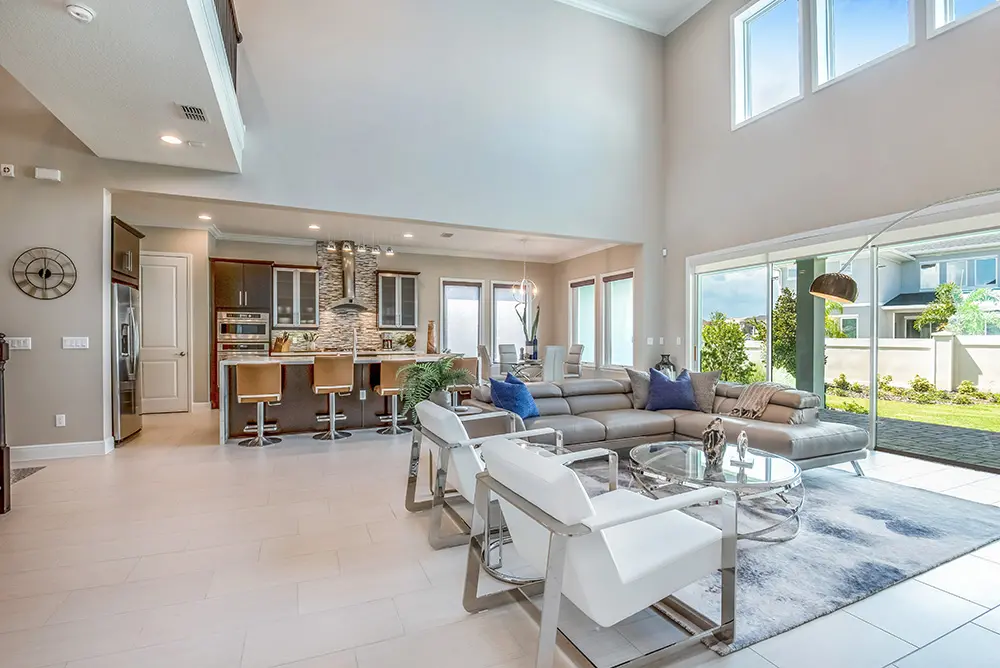
Home styles in The Woodlands range from modern builds with large windows to traditional plans with formal dining rooms, separate kitchens, and multiple living areas. That existing "bones" can guide what works best and what remodel changes are most cost-effective.
- Modern and contemporary homes: Open layouts often complement clean lines, large openings, and airy interiors. These homes are typically pre-designed for minimal wall disruption.
- Traditional homes: Defined rooms tend to feel natural and cozy—especially if the home already has formal spaces, crown molding, or panel detailing that frames rooms intentionally.
- Homes with smaller footprints: A smart mix of openness and separation usually works best for comfort—full open plans can feel chaotic in tighter square footage.
- Homes that host often: Openness around the kitchen typically improves flow, even if other spaces remain defined. The kitchen-living connection is the most impactful zone to open up.
- Ranch-style homes: Single-story plans in The Woodlands often benefit from selective wall removal to create better sightlines without destabilizing the overall structure.
- Two-story homes: The downstairs layout is usually where open-concept changes make the biggest impact, while upstairs rooms almost always benefit from staying defined for privacy and sound control.
If your project includes removing a wall, widening openings, or reworking the kitchen-living connection, make sure the plan accounts for structure, safety, and permitting. This is where experienced remodeling contractors in The Woodlands, Texas help you avoid surprises during demolition and framing.
And if your home feels darker than you'd like, you don't always need a fully open plan—ideas in maximizing natural light remodeling tips can brighten a layout while keeping privacy where you need it.
For information on guidelines and resources for sustainable home building practices, including energy-efficient homes, visit the U.S. Green Building Council's LEED certification page.
How the Woodlands Climate Affects Layout Decisions
The Woodlands sits in a humid subtropical climate zone—hot summers, mild winters, and significant moisture year-round. These conditions directly influence which layout approach works best for comfort, energy costs, and home longevity. It's not a consideration most design blogs mention, but local homeowners know it matters.
Open Concept & The Woodlands Heat
Large, open spaces are harder to cool efficiently. When the kitchen, dining, and living areas share a single volume of air, your HVAC system works harder to maintain a consistent temperature—especially when the oven and range are running. In a Texas summer, this can translate into noticeably higher energy bills compared to a more segmented layout where you're only actively cooling the rooms you're using.
Some homeowners offset this with upgraded insulation, higher-efficiency HVAC systems, or ceiling fans throughout the open zone—but these are additional costs to factor into any remodel budget.
Humidity, Moisture & Interior Walls
High humidity in The Woodlands means moisture management is a real consideration indoors. Open-plan kitchens without proper ventilation can let cooking steam and moisture migrate into living and dining areas, potentially affecting wood floors, cabinetry finishes, and even drywall over time. Defined spaces with a kitchen door or partition give you a natural moisture barrier.
If you're going open-concept, investing in a quality range hood with proper CFM rating and ducting is non-negotiable. See our guide on kitchen ventilation for specifics on what's appropriate for Woodlands homes.
Natural Ventilation & Airflow
On cooler days—especially in spring and fall when The Woodlands weather is at its best—open plans allow excellent cross-ventilation when windows and doors are open. Breezes move through the home more freely without walls to block them, making an open layout feel especially comfortable during those in-between seasons.
Defined layouts can still achieve good airflow through strategic window placement and ceiling fans, but open plans have a natural advantage here when the conditions are right.
Which Layout Is Best for You?
To choose the right layout, start with lifestyle realities—not just photos you like online. These questions usually make the answer obvious:
- Do you host often? Open-concept usually wins for flow and conversation, especially when the kitchen is the heart of your gatherings.
- Do you work remotely? Defined spaces (or at least one closed room) can be a game-changer for focus, calls, and productivity.
- Do you prefer a tidy look? Defined layouts hide kitchen mess better and give each space a contained, finished feeling.
- Do you want family connection? Open plans support shared time and sightlines between adults and kids in different activity zones.
- Do multiple schedules overlap at home? Defined rooms help reduce noise and distractions when partners, kids, and grandparents all have different routines.
- Do you have young children? Open sightlines help parents supervise play areas from the kitchen—a strong argument for at least a partial open-concept main floor.
- Do you have teenagers? Teens often want more separation and privacy—a defined layout or hybrid approach can accommodate both family time and independent space.
- Are you thinking about resale? In The Woodlands market, open kitchen-living connections tend to be well-received by buyers, but homes with dedicated offices are increasingly valued too.
If you're also updating finishes and storage, look at custom cabinets vs. stock vs. semi-custom—because layout and cabinetry planning should be decided together, not separately. The two decisions are deeply interconnected in how your home ultimately looks and functions.
Hybrid Layouts: The Best of Both Worlds
Hybrid layouts are increasingly common in The Woodlands because they let you keep connection where it matters (kitchen + main living) while protecting privacy for work, sleep, or focused activities. This approach is neither fully open nor fully segmented—it's a curated blend that responds to how real families live.
Common Hybrid Techniques
- Wide openings between rooms (instead of removing every wall)—creating a visual connection without fully merging spaces
- Interior glass partitions for light + separation—you can see through, but sound stays contained
- Pocket doors or sliding doors for flexible privacy that can be opened during parties and closed during work hours
- Half walls, pony walls, or built-in dividers that define zones without cutting off sightlines entirely
- Room zoning with cabinetry, islands, and built-ins that create functional separation without structural changes
- Barn doors that add character while providing an optional visual and acoustic barrier between spaces
Where Hybrid Works Best in Woodlands Homes
The most popular hybrid configuration in The Woodlands is an open kitchen-family room with a partially separated dining space and a fully enclosed study or office. This gives families the togetherness of an open plan in the highest-traffic zone, while preserving one or two rooms for quiet, focused use.
A practical example: many homeowners keep the kitchen and family room open, but create a quieter "buffer" using built-ins or a partial divider—similar to the ideas in custom entertainment centers and media walls. And if you love mixing materials to define zones (without adding walls), you'll like how to use mixed materials to elevate your home.
Hybrid layouts also tend to age better than pure open plans. As household needs change—kids get older, someone starts working remotely, aging parents move in—a home with flexible zones can adapt more easily than one that's been fully opened up with no easy way to re-partition.
Layout Choice & Resale Value in The Woodlands
If long-term property value matters to you—and in The Woodlands real estate market, it almost always does—layout decisions should be made with a future buyer's eye as well as your own comfort in mind.
What Buyers in The Woodlands Look For
The Woodlands attracts a mix of young families, corporate relocators, and move-up buyers—all with slightly different priorities. That said, some consistent patterns emerge when it comes to layout preferences in this market:
- Open kitchen-living connection: This remains a high-priority feature for most buyers. Homes where the kitchen opens naturally to the family room consistently photograph better and show better—a direct advantage in a competitive market.
- Dedicated home office or flex room: Since the remote work shift, homes with a clearly defined, closeable office space command stronger buyer interest. A home without this may feel like it's missing something essential.
- Formal dining rooms: These have become more polarizing. Some buyers love them for holiday use; others see them as wasted square footage. If you have one, keeping it flexible (a formal dining room that could double as an office or playroom) tends to appeal to the widest buyer pool.
- Bonus rooms and media rooms: Enclosed bonus rooms with acoustic potential—home theaters, game rooms, music rooms—are seen as a premium feature in larger Woodlands homes.
The Risk of Over-Opening
One mistake some Woodlands homeowners make is going too far with an open-concept remodel—removing nearly every interior wall to create one massive space. While this can feel dramatic and impressive, it often creates practical problems (noise, HVAC efficiency, lack of storage walls) that future buyers notice. A well-executed hybrid plan frequently has stronger resale appeal than a fully opened plan with compromised function.
For a broader view of what interior upgrades actually move the needle on home value, our guide to the most valuable interior upgrades in The Woodlands is worth reading before you finalize your remodel scope.
Remote Work & Multi-Use Rooms: A Growing Priority
The shift toward remote and hybrid work has fundamentally changed what homeowners need from their floor plans. In The Woodlands—home to a high concentration of energy, healthcare, and technology professionals—the ability to work from home without compromising family life has become a top layout concern.
The Problem With Fully Open Plans for Remote Workers
An open-concept home can be a wonderful place to live on weekends or evenings, but during a 9 AM client call, it becomes a real challenge. Kitchen noise, background TV, kids' activities, and general household sounds bleed directly into calls and video meetings in a way that simply doesn't happen in a room with a door.
This doesn't mean open plans are wrong for remote workers—it means that any home used for serious remote work should have at least one enclosed room that isn't part of the open-concept zone. This can be a dedicated office, a converted bedroom, or a flex room off the main hallway.
Designing Multi-Use Rooms That Actually Work
Not every Woodlands home has a spare bedroom to dedicate exclusively to office use. That's where multi-use room design becomes valuable. A well-designed multi-use space can function as a guest room, craft room, study, and home office—shifting roles as the day or week demands.
Key features that make multi-use rooms work well:
- A solid door (not a pocket door or barn door if sound isolation matters)
- Built-in desk and storage that don't crowd the room or compromise its other uses—see our guide to custom home office cabinets and built-ins
- Good natural light for video calls without harsh shadows
- A Murphy bed or daybed if the room also needs to function as a guest room
- Acoustic considerations: rugs, bookshelves, and upholstered pieces that absorb sound and reduce echo on calls
Families, Kids & Noise: Designing Around Real Life
For families with children, the layout decision isn't just aesthetic—it's deeply practical. The Woodlands is an exceptionally family-forward community, and most homeowners here are making layout decisions with kids' ages, routines, and futures in mind.
Young Children (Under 10): Open Plans Often Win
Parents of young kids tend to favor open layouts because they allow constant, low-effort supervision. When your toddler is playing in the living room and you're cooking dinner, you want to see them without walking around a wall or into another room. Open sightlines reduce anxiety and genuinely make parenting easier in the daily grind of getting meals on the table while kids are active.
An open kitchen-family room is particularly popular among this group—and it's consistently the most common remodel request we see from young families in The Woodlands.
Older Children and Teenagers: Privacy Matters More
As kids get older, the calculus often flips. Teens want privacy, autonomy, and a space that feels like their own. They also tend to use spaces at different hours and volumes than the rest of the family. A defined layout—or a hybrid plan where bedrooms and bonus areas are separated from the main open zone—accommodates this shift much better than a fully open floor plan.
Managing Noise in Open Plans
One practical tip for open-plan households with multiple kids: zone the home acoustically even when you can't zone it physically. Area rugs absorb sound. Bookshelves act as natural acoustic buffers. Ceiling fans help with airflow and also create gentle white noise. And strategic placement of the TV—away from homework zones or sleep areas—makes a real difference in how livable an open layout actually feels.
Lighting Strategies for Each Layout Type
Lighting is one of the most powerful tools for shaping how a layout feels—and the right approach differs significantly between open-concept and defined spaces. Getting this wrong can make a beautifully remodeled home feel flat, harsh, or disconnected.
Lighting an Open-Concept Space
In an open plan, the challenge is creating distinct moods and zones within one connected area. Without walls to anchor fixtures in individual rooms, you need to be intentional about layering light:
- Pendants over the kitchen island: These anchor the kitchen zone and create a clear visual focal point within the larger open space.
- Recessed lighting on separate circuits: Allows you to dim the kitchen independently from the living area—critical for transitioning from meal prep to movie night without getting off the couch.
- Floor and table lamps in the living zone: Add warmth and fill visual gaps that recessed cans alone can't address.
- Statement chandelier over dining: Defines the dining zone as a distinct area even in a fully open plan.
- Under-cabinet lighting: Adds task illumination in the kitchen without brightening the whole open space when you just need the prep area lit.
Lighting Defined Spaces
Defined rooms give you more control over lighting character—each room can have its own mood, color temperature, and intensity. A home office can be lit for focus; a living room for relaxation; a formal dining room for drama. This layered approach is one of the quiet pleasures of a defined-space layout.
- Sconces and table lamps: Work particularly well in rooms with good ceiling height and wall space—both common in traditional Woodlands home designs.
- Dimmer switches in every room: Non-negotiable if you want flexibility throughout the day.
- Natural light supplementation: If a defined space feels dark, adding a solar tube, larger window, or glass transom above a doorway can help without requiring structural changes.
For guidance on brightening any layout style, see our post on maximizing natural light in Woodlands homes—the tips apply to both open and defined configurations.
Flooring & Material Transitions to Define Zones
One of the most elegant ways to create the feeling of defined spaces within an open-concept home is through strategic flooring and material choices. This approach costs less than adding walls or structural changes, yet it significantly shapes how each zone feels and functions visually.
How Flooring Defines an Open Plan
When the entire main floor is covered in the same material, it reads as one undivided space—which can feel either expansive and cohesive, or directionless and flat, depending on the design. Introducing a second material—or changing the orientation of the same material—creates a visual boundary without a physical one.
- Hardwood in the living and dining zones, tile in the kitchen: One of the most common and effective transitions in Woodlands homes—practical for spills in the kitchen, warm and inviting in living areas.
- Changing plank orientation: Running wood planks perpendicular between zones (e.g., horizontal in living, vertical into dining) creates a clear visual break without any threshold strip.
- Area rugs as zone definers: In a fully open plan, a large area rug under the sofa and coffee table creates a "room within a room" effect that is both functional and visually clear.
- Elevated or recessed floor sections: A slightly raised dining platform or sunken living room (popular in some Woodlands mid-century and transitional homes) creates strong zone definition at a structural level.
- Stone or tile in an entryway: Signals the transition from front door to interior living spaces with a natural material boundary.
Ceiling Height Transitions
If your remodel allows for it, varying ceiling heights between zones is another powerful zoning tool. A coffered or tray ceiling over the dining area, or a vaulted ceiling above the living room, visually separates these spaces even within a fully open plan—adding architectural character at the same time.
If you love using mixed materials to elevate your space, our blog on how to use mixed materials to elevate your home goes deeper on how to layer different finishes and textures throughout an open or hybrid layout.
Cost Comparison: Opening Up vs. Adding Definition
Budget realities matter just as much as design preferences. Understanding the relative cost of different layout changes helps you prioritize what to tackle and what to phase over time.
Costs Associated With Opening Up a Space
Removing walls—especially load-bearing walls—is one of the more expensive structural remodeling tasks. Here's a general breakdown of what to expect for Woodlands homeowners:
- Non-load-bearing wall removal: Typically the most affordable structural change. Still requires patching floors, relocating outlets/switches, repairing ceilings, and refinishing surrounding surfaces. Budget a few thousand dollars for a clean execution.
- Load-bearing wall removal: Requires engineering review, a structural beam (LVL or steel), temporary support during construction, and permit fees. This is a meaningful investment—but it can transform a home's feel and is often worth it.
- HVAC modifications: Opening up spaces often requires ductwork rerouting and possibly an upgraded HVAC unit to handle the new zone efficiently. This is a commonly overlooked cost in open-concept remodels.
- Flooring continuity: If your existing floors don't run continuously through the new open area, you'll need to patch, extend, or replace flooring—sometimes throughout the entire main level for a cohesive look.
Costs Associated With Adding Definition
Adding walls, partitions, or separating elements to an existing open space is generally less expensive than removing load-bearing walls, but it still comes with real costs:
- New partition walls: Standard non-structural partitions are relatively affordable to build—costs vary based on height, length, finishes, and whether electrical or plumbing runs through them.
- Interior glass partitions or barn doors: Mid-range investment depending on material quality and hardware. Barn doors in particular are a popular Woodlands choice for their aesthetic and practical flexibility.
- Built-in dividers and cabinetry: Custom built-ins used as room dividers are at the higher end of the cost range for non-structural separation, but they add significant storage value and permanent character.
- Acoustic treatments: If sound separation is the goal, acoustic insulation within new walls adds modestly to the project cost but makes a substantial difference in livability.
The Bottom Line on Budget
Neither approach is automatically more affordable—it depends entirely on your specific home, what changes are needed, and what existing conditions look like behind your walls. The best way to get an accurate picture is to have an experienced contractor walk through the home before making a decision. Our team at Select Remodeling & Construction provides free, no-pressure estimates for exactly this kind of layout planning.
Common Mistakes to Avoid With Layout Changes
Layout remodels are some of the most impactful changes you can make to a home—and some of the most consequential if done poorly. These are the mistakes we see most often in The Woodlands, and what to do instead.
1. Removing a Wall Without Checking Structure First
This is the most dangerous mistake on the list. Not every wall is non-load-bearing, and what looks like a simple partition might be supporting the floor above, a roof ridge, or a critical shear element. Always get a structural assessment before any wall removal—permit requirements in The Woodlands and Montgomery County exist for exactly this reason.
2. Opening Up the Kitchen Without Upgrading Ventilation
When the kitchen opens to the living room, your range hood becomes one of the most important appliances in the home. An undersized or poorly ducted hood will let grease, moisture, and cooking odors migrate throughout your new open space—the opposite of what you wanted. See our Kitchen Ventilation 101 guide for sizing and ducting recommendations.
3. Planning Layout Before Cabinetry & Storage
Wall space, storage walls, and built-in locations need to be planned together with your layout—not added as an afterthought. If you open up a space and lose critical storage walls, you'll spend far more fixing the problem later than you would have by planning ahead. Review your cabinet options early in the process.
4. Ignoring Acoustics Until After Construction
Sound travels dramatically in open plans. If you have multiple TVs, a home office, and kids all sharing the same open zone, the acoustic reality will wear on you quickly. Address this during construction—not after—by specifying acoustic insulation in any new partitions, adding thick rugs and upholstered furniture to the living zone, and being thoughtful about where speakers and TVs are placed.
5. Choosing Layout Based on Trends Rather Than How You Live
Open-concept has been the dominant trend for decades. But trends shift, and more importantly, your home needs to work for your specific household—not the average household in a design magazine. A defined layout that fits your life perfectly will make you happier every day than a trend-right open plan that creates daily friction.
6. Not Getting Permits for Structural Work
Unpermitted structural work—especially wall removal—can create serious problems when you sell. Buyers' inspectors find it, lenders flag it, and it can derail a sale or require costly remediation. Working with licensed contractors who pull proper permits protects your investment and your safety.
Final Thoughts
Choosing between open-concept, defined spaces, or a hybrid plan comes down to how you want your home to feel every day quiet vs. connected, tidy vs. lived-in, flexible vs. structured. In The Woodlands, the "right" layout is the one that matches your routines, the home's architecture, your climate comfort, your work life, and your long-term goals not just the one that looked great in the listing photos.
Take the time to audit how your household actually spends time at home before committing to a direction. Walk through a typical Tuesday and a typical Saturday. Notice where the noise concentrates. Notice where you wish you had more visual connection, and where you wish you had more privacy. That honest self-assessment will serve you better than any design trend.
When you're ready to explore options, work with someone who knows The Woodlands, its architectural styles, its climate realities, its permit process, and its buyers if resale is in the picture. The layout decision is foundational. Everything else finishes, cabinetry, lighting, flooring—builds on top of it.
If you're choosing a remodeling contractor in The Woodlands for planning, reach out to trusted remodeling contractors in The Woodlands
Choosing the right contractor matters. Reach out to Remodeling contractors The Woodlands & nearby areas like Spring, Conroe, Tomball, and Magnolia.