

Introduction
Bathroom remodel inspections in Spring, Texas are not something homeowners can afford to overlook. A failed inspection doesn't just mean a minor correction — it can delay your project by days or weeks, increase material and labor costs, trigger re-inspection fees, and create unnecessary stress for your family during what should be an exciting upgrade.
Working with experienced and Expert Bathroom Remodeling service providers gives you a major advantage. Our Remodeling services for Bathroom in Spring TX handles permits, inspections, and code compliance as part of every project so you never have to guess. You can also explore real results from nearby communities in our Oak Ridge North bathroom remodel projects and Shenandoah bathroom remodeling project.
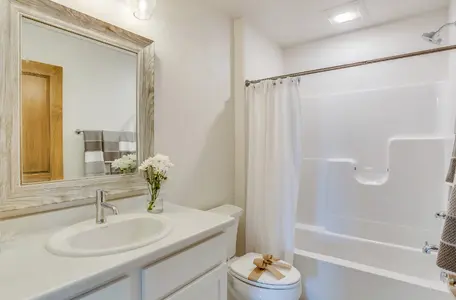
In Montgomery County and Harris County portions of Spring TX, bathroom remodels typically require inspections for plumbing, electrical, framing, waterproofing, and final completion. Understanding exactly what inspectors expect at each stage is the single most effective way to avoid failed inspections and project delays.
The vast majority of inspection failures are completely preventable when you understand what inspectors are looking for and prepare accordingly. Whether you are managing a budget-conscious bathroom remodel or a high-end primary bathroom renovation, code compliance applies equally to all projects. Many homeowners avoid costly mistakes by consulting experienced remodeling contractors in Spring, Texas who understand local building codes, inspection requirements, and the proper preparation needed before rough-in inspections.
Let's walk through exactly how to avoid inspection failures and what Spring TX inspectors commonly flag.
Why Bathroom Remodel Inspections Fail in Spring TX
Before we talk about prevention, it's important to understand why failures happen in the first place. Most inspection failures in Spring TX are not caused by major structural errors — they're caused by small, avoidable oversights that experienced contractors catch during preparation.
Most inspection failures fall into one of five categories:
- Plumbing code violations — improper drain slope, trap placement, or venting
- Electrical safety issues — missing GFCI protection, improper grounding, or inadequate circuits
- Improper venting — exhaust fans terminating into the attic instead of the exterior
- Structural framing mistakes — walls closed before rough-in approval, missing nail plates
- Incomplete or unpermitted work — work started without permits or inspections skipped entirely
Spring TX follows International Residential Code (IRC) standards along with local amendments specific to Montgomery County and Harris County jurisdictions. Inspectors are trained to look for safety, durability, and code compliance not cosmetic details.
Spring's humid subtropical climate adds an extra layer of complexity moisture-related failures like improper waterproofing, venting into the attic, and poor caulking are especially common here compared to drier regions.
18 Ways to Avoid Failed Bathroom Remodel Inspections in Spring TX
Bathroom inspections in Spring TX are primarily focused on safety, code compliance, moisture control, and structural integrity. Below are the most critical inspection failure points — and exactly how to prevent each one.
1. Secure the Proper Permit Before Starting
Starting work without a permit is one of the fastest ways to fail an inspection in Spring TX. Even if all the physical work is done correctly, lack of proper permitting can result in penalties, stop-work orders, and even required demolition of finished surfaces to expose work for inspection.
Permits are typically required in Spring TX when:
- Relocating plumbing supply or drain lines
- Replacing tubs or showers with new fixtures in a different location
- Installing new electrical circuits or upgrading existing ones
- Moving walls or modifying structural framing
- Installing new venting systems
Always confirm permit requirements before demolition begins.
2. Follow Plumbing Code Requirements Exactly
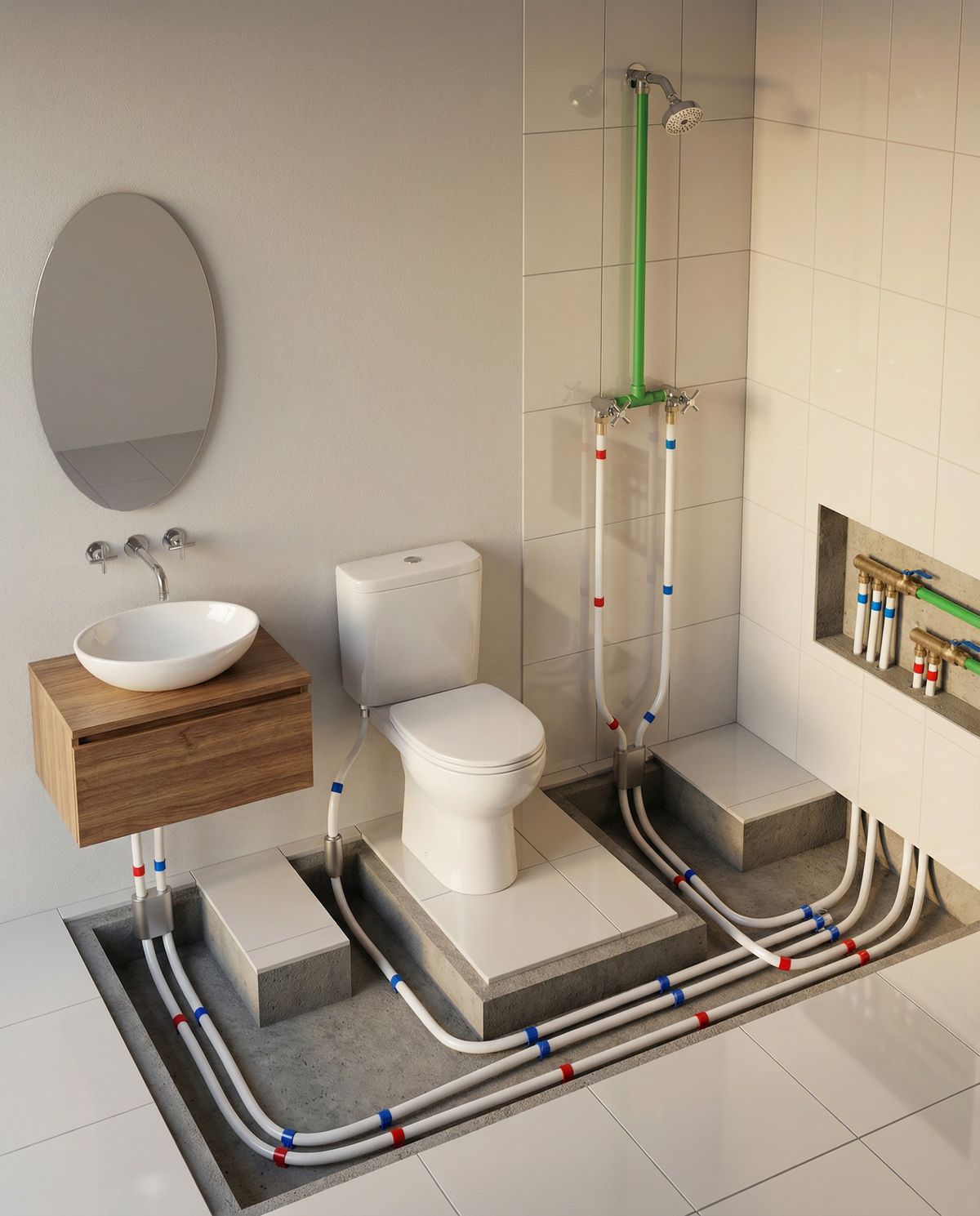
Plumbing violations are the number one reason bathroom remodel inspections fail in Spring TX. Inspectors carefully check drain slope, trap placement, venting configuration, pipe sizing, and cleanout access — and any of these being off-spec is enough for a failed inspection.
Key plumbing requirements include:
- Minimum 1/4 inch per foot drain slope for most 2-inch lines
- Proper vent stack sizing based on fixture unit count
- Approved P-trap placement and depth
- No double trapping of fixtures
- Accessible cleanouts installed where required by code
- Correct pipe materials for supply and drain lines
Improper plumbing causes drainage problems, sewer gas odors, and long-term moisture damage — which is why inspectors treat it as a top priority. For a full breakdown of what Spring TX requires, read our guide on Spring TX plumbing code requirements for bathroom remodels.
3. Perform a Proper Shower Pan Water Test
Shower pan leaks are a common and costly inspection failure in Spring TX. Before any tile installation takes place, the waterproof shower pan or liner must pass a flood test. This is a required inspection stage — not optional.
The shower pan test process:
- Plug the drain with an approved test plug
- Fill the shower pan with water to at least 2 inches above the highest point of the liner
- Let it sit undisturbed for a minimum of 24 hours
- Confirm no water level drop at the end of the test period
Failures typically result from punctured liners during installation, improper corner folds, missing pre-slopes, or poor membrane installation. If the shower pan test fails after tile has been installed, tile and substrate removal may be required before the pan can be repaired and retested — an expensive mistake.
Understanding what to prepare before rough-in inspection — including shower pan documentation — helps you pass this stage smoothly the first time.
4. Ensure Proper Ventilation
Bathrooms must vent moisture and odors to the building exterior — never into the attic space. Venting into the attic is one of the most common violations found during Spring TX inspections and leads to mold growth, insulation damage, and structural wood rot.
Ventilation requirements inspectors check:
- Exhaust fan duct must terminate through the roof or exterior wall — not into the attic
- All duct joints must be sealed with approved tape or mastic
- Correct duct diameter must be maintained throughout the run
- Proper termination cap installed at the exterior with a functional damper
- Minimum CFM rating appropriate to bathroom square footage
Spring's humid subtropical climate makes ventilation especially critical. Poor bathroom venting creates the exact moisture conditions that lead to mold, cabinet swelling, and premature material failure.
5. Install GFCI Protection Correctly
Ground Fault Circuit Interrupter (GFCI) outlets and breakers are mandatory in bathroom wet zones under both IRC and NEC standards. Inspectors verify proper wiring, grounding, and circuit configuration during electrical inspection.
What inspectors check for GFCI compliance:
- GFCI protection required for all receptacles within bathroom spaces
- Proper grounding at all outlets and fixtures
- Dedicated 20-amp circuit recommended for bathroom receptacles
- Correct box fill calculations — overcrowded junction boxes are flagged
- Bathroom lighting circuits separate from receptacle circuits in many jurisdictions
Electrical code violations are considered serious safety hazards and typically result in immediate correction notices that must be resolved before any other inspection stages can proceed.
Bathroom electrical safety standards are defined in the National Electrical Code (NEC) GFCI requirements , which require ground-fault protection for outlets located in bathroom environments.
6. Maintain Proper Fixture Clearances
Bathrooms must meet minimum spacing requirements for safety and basic usability. These clearances are specified in the IRC and enforced by Spring TX inspectors during framing and final inspection stages.
Common clearance requirements:
- Minimum 15 inches from toilet centerline to any side wall or obstruction
- Minimum 21 inches of front clearance in front of toilets and bidets
- Minimum shower size requirements (typically 30" x 30" minimum per IRC)
- Proper ceiling height compliance throughout bathroom space
- Required clearance around vanity doors and drawer swing paths
Incorrect layout planning often leads to inspection failure — especially in smaller Spring TX homes and guest bathrooms where space is limited. Planning fixture layout carefully before framing begins prevents costly rework. If you are thinking through layout options as part of a full renovation, see our step-by-step bathroom renovation guide for 2026.
7. Do Not Close Walls Before Rough-In Approval
This is one of the most costly mistakes homeowners and less experienced contractors make: installing drywall, cement board, or any wall covering before plumbing and electrical rough-in inspections are approved by the inspector.
Inspectors must physically see open walls to verify plumbing pipe runs, electrical wiring, vent configuration, and structural elements. Closing walls prematurely can require complete removal of drywall and substrate, full re-exposure of all work, and a new rough-in inspection before any progress can continue — adding significant cost and time to your project.
Always receive written or stamped approval from your inspector before closing walls.
8. Secure Pipes and Wiring Properly
Loose pipes, improperly strapped wiring, or cables running too close to the face of studs are common triggers for inspection corrections in Spring TX bathroom projects.
What inspectors look for in this area:
- Pipes must be strapped and supported at required intervals (every 4 feet for horizontal PVC, for example)
- Wiring must maintain minimum 1-1/4 inch clearance from the face of studs
- Steel nail plates required wherever wires or pipes pass through studs closer than 1-1/4 inch to the edge
- No wires running unsupported for excessive distances
- Proper connector fittings used where cables enter boxes
These details are small but consistently flagged. Licensed contractors who work in Spring TX regularly know exactly what local inspectors look for in this area.
9. Use Approved Materials Only
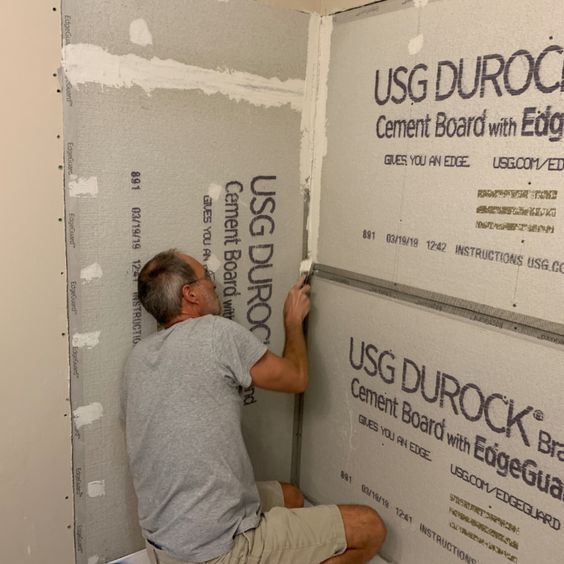
One of the most common substrate failures: standard paper-faced drywall installed behind shower tile or in direct wet-zone contact areas. Standard drywall will fail inspection — and even when it passes a rushed inspection, it creates long-term moisture failure that damages walls, framing, and flooring.
Approved materials for wet areas include:
- Cement board (such as HardieBacker or Durock) behind tile in shower and tub surrounds
- Fiberglass mat gypsum board (e.g. DensShield) where specified
- Waterproof membrane systems (Schluter KERDI, RedGard, etc.) applied per manufacturer specs
- Moisture-resistant drywall only in low-splash areas — never in direct wet zones
Using non-rated materials compromises moisture resistance and long-term durability and will be flagged during inspection if visible.
10. Frame Niches and Benches Properly
Custom shower features like recessed niches, built-in benches, and corner shelves are popular in Spring TX bathroom remodels — but they must be structurally sound and fully integrated into the waterproofing system.
Inspectors verify:
- Niche framing is structurally adequate with proper blocking
- Waterproof membrane is continuous across all niche surfaces including back and sides
- Bench structures can support the intended load
- Membrane continuity is maintained at all transitions between floor, walls, and built-in features
Breaks in membrane continuity at niche or bench transitions are a common source of hidden leaks that may not become visible until months or years after the remodel — and are preventable with proper installation technique.
11. Follow Proper Hot and Cold Water Line Placement
This is a simple but frequently overlooked requirement: hot water supply must be plumbed to the left side and cold water to the right side of each fixture. This standard is specified in the IRC and is commonly missed in DIY remodeling projects or rushed contractor installations.
Reversed supply lines are flagged during rough-in inspection and require rework before wall covering can proceed.
12. Install Backflow Prevention Where Required
Backflow prevention devices protect the potable water supply from contamination. Depending on fixture type and local jurisdiction requirements, inspectors in Spring TX may require vacuum breakers or air gaps on certain plumbing connections.
Common applications include:
- Handheld showerheads with hose connections
- Bathtub fillers with submerged inlets
- Certain bidet and toilet connections
- Freestanding tub fillers with floor-mounted supply
Confirm with your plumbing contractor or local inspector which fixtures require backflow prevention in your specific Spring TX jurisdiction before rough-in is complete.
13. Meet Insulation Requirements
Exterior bathroom walls must meet local insulation R-value standards. In Spring TX, inspectors check insulation type, R-value, and vapor barrier placement before walls are closed.
Key insulation inspection points:
- Insulation R-value must meet or exceed local energy code requirements
- Vapor barrier placement varies based on climate zone (Spring TX is Climate Zone 2)
- No gaps, voids, or compression in batt insulation that would reduce effective R-value
- Proper insulation around tub and shower surrounds on exterior walls
Energy code compliance in Texas has been updated in recent cycles — confirm current requirements with your contractor or local building department before insulation is installed.
Recommended insulation practices for residential construction are outlined by the U.S. Department of Energy insulation recommendations , which help improve energy efficiency and moisture protection.
14. Schedule Inspections at the Correct Stages
Bathroom remodel inspections in Spring TX must happen in the correct sequence. Skipping a stage or calling for inspection too early — or too late — causes delays and can require partial demolition to expose completed work.
Typical inspection sequence:
- Rough plumbing inspection — before walls are closed
- Rough electrical inspection — before walls are closed
- Framing inspection — if structural walls were modified
- Shower pan / waterproofing inspection — after liner installation, before tile
- Insulation inspection — before drywall
- Final inspection — after all fixtures are installed and finish work is complete
15. Keep the Jobsite Inspection-Ready
Inspectors require clear, safe access to all work areas. A cluttered or obstructed jobsite can result in an inspection that cannot be completed — which counts as a failed visit and may require re-scheduling fees.
Inspection-ready jobsite basics:
- Clear walking path from entry to bathroom work area
- All tools, materials, and debris staged away from work areas to be inspected
- Permit card posted and visible at the jobsite
- Approved plans available on-site for inspector reference
- Lighting available so inspector can clearly see all rough-in work
16. Work With Licensed Professionals
Licensed contractors understand Spring TX code amendments, know local inspector expectations, and prepare projects for successful approval from the first inspection. This isn't just about convenience — it's about protecting your investment and avoiding costly rework.
When evaluating contractors for your Spring TX bathroom remodel, consider:
- Verified Texas contractor licensing and insurance
- Experience with Montgomery County and Harris County permit processes
- Documented history of successful inspection results
- Transparent communication about what permits and inspections are required
17. Understand Local Spring TX Amendments
Spring TX is not a single incorporated city — it spans portions of both Montgomery County and Harris County, and some areas have Municipal Utility District (MUD) overlays that affect permit jurisdiction. Local amendments to the IRC and NEC may affect vent sizing, pipe material requirements, tie-in procedures, permit paperwork, and inspection documentation requirements.
Key local considerations:
- Confirm which jurisdiction covers your specific property address before pulling permits
- Montgomery County Permit Department and Harris County Engineering both have separate processes
- Some MUD districts have additional requirements beyond county code
- Permit fees, processing times, and inspection scheduling vary by jurisdiction
18. Double-Check Before Calling Final Inspection
The final inspection is your last opportunity to get formal code approval — and re-inspection fees add up quickly if you call for final before the project is truly ready. A thorough self-review before calling final inspection catches common last-minute issues that inspectors frequently flag.
Before calling for final inspection, walk through and confirm:
- All fixtures are fully secured and operational (toilet, sink, shower, tub)
- All GFCI outlets are tested and operational
- Caulking is complete at all tile-to-fixture transitions and floor edges
- No exposed wiring — all junction boxes covered with proper plates
- All trim, covers, and escutcheons installed properly
- Exhaust fan is operational and terminating to exterior
- Door swings freely and latches properly
- All corrections from previous inspections have been completed and documented
Final Checklist Before Inspection
Use this quick-reference checklist before calling for any bathroom remodel inspection in Spring TX.
Permits & Documentation
- Permit pulled and posted on-site
- Approved plans available for inspector review
- Previous inspection approvals documented
Plumbing
- Rough plumbing inspected and approved before walls closed
- Drain slope confirmed at 1/4 inch per foot minimum
- P-traps properly placed and accessible
- Hot left / cold right confirmed at all fixtures
- Backflow prevention installed where required
- Pipes strapped and supported at required intervals
Waterproofing
- Shower pan flood test passed (24-hour minimum)
- Membrane continuity verified at niches, benches, and transitions
- Approved substrate materials used in all wet zones
Electrical
- Rough electrical inspected and approved before walls closed
- GFCI protection installed and tested at all bathroom receptacles
- Proper grounding at all outlets and fixtures
- No exposed wiring — all junction boxes covered
- Nail plates installed wherever wires pass within 1-1/4" of stud face
Ventilation
- Exhaust fan terminating to exterior (not attic)
- Duct joints sealed with approved tape or mastic
- Termination cap installed with functional damper
- Fan operational and adequate CFM for bathroom size
Framing & Insulation
- Framing inspection approved if structural walls modified
- Insulation R-value meets local energy code
- Vapor barrier correctly placed
- No gaps or voids in insulation coverage
Final Stage
- All fixtures fully secured and operational
- Fixture clearances meet minimum code requirements
- Caulking complete at all tile-to-fixture transitions
- All trim, covers, and escutcheons installed
- Door swings and latches properly
- All prior inspection corrections completed and documented
Final Thoughts: Inspection Success Is About Preparation
Bathroom remodel inspections in Spring TX are not meant to be obstacles, they exist to protect your home, your family's safety, and the long-term value of your remodeling investment. The great majority of inspection failures are completely preventable when you approach the project with proper permits, correct sequencing, code-compliant materials, and thorough preparation at every stage.
The 18 points covered in this guide address the most commonly flagged issues in Spring TX bathroom inspections: plumbing code compliance, shower pan waterproofing, electrical safety, ventilation, approved materials, proper sequencing, and final-stage readiness. Follow these and you dramatically reduce your risk of failure.
Ready to start your Spring TX bathroom remodel with a team that handles permits, inspections, and code compliance from day one? Visit our bathroom remodeling services in Spring TX or reach out directly through our contact page.
Choosing the right contractor matters. Reach out to Remodeling contractors The Woodlands & nearby areas like Spring, Conroe, Tomball, and Magnolia.