

Introduction
The Woodlands, Texas is a unique place to own a home: tall pines, shaded streets, and humid Gulf Coast air. It’s beautiful but that same humid, shaded environment can age your kitchen faster than you expect.
The good news? With the right materials, ventilation, cleaning habits, and small upgrades, many homeowners can add 10–20 years of extra life to a kitchen without jumping straight to a full gut remodel. Learn more about expert kitchen remodeling services .
This guide is tailored for homes in Panther Creek, Grogan’s Mill, Cochran’s Crossing, Indian Springs, Alden Bridge, Sterling Ridge, Carlton Woods, and Creekside Park. If you’re planning improvements (even small ones), start by exploring our kitchen remodeling services in The Woodlands, Texas to see which upgrades deliver the biggest longevity impact in this climate.
Already seeing early wear like swollen cabinet edges, musty smells, or peeling finishes? Read next: why Woodlands kitchens wear out faster in humidity. Many of the fixes are simple but timing matters.
1. Start With Materials That Can Survive Humidity & Daily Use
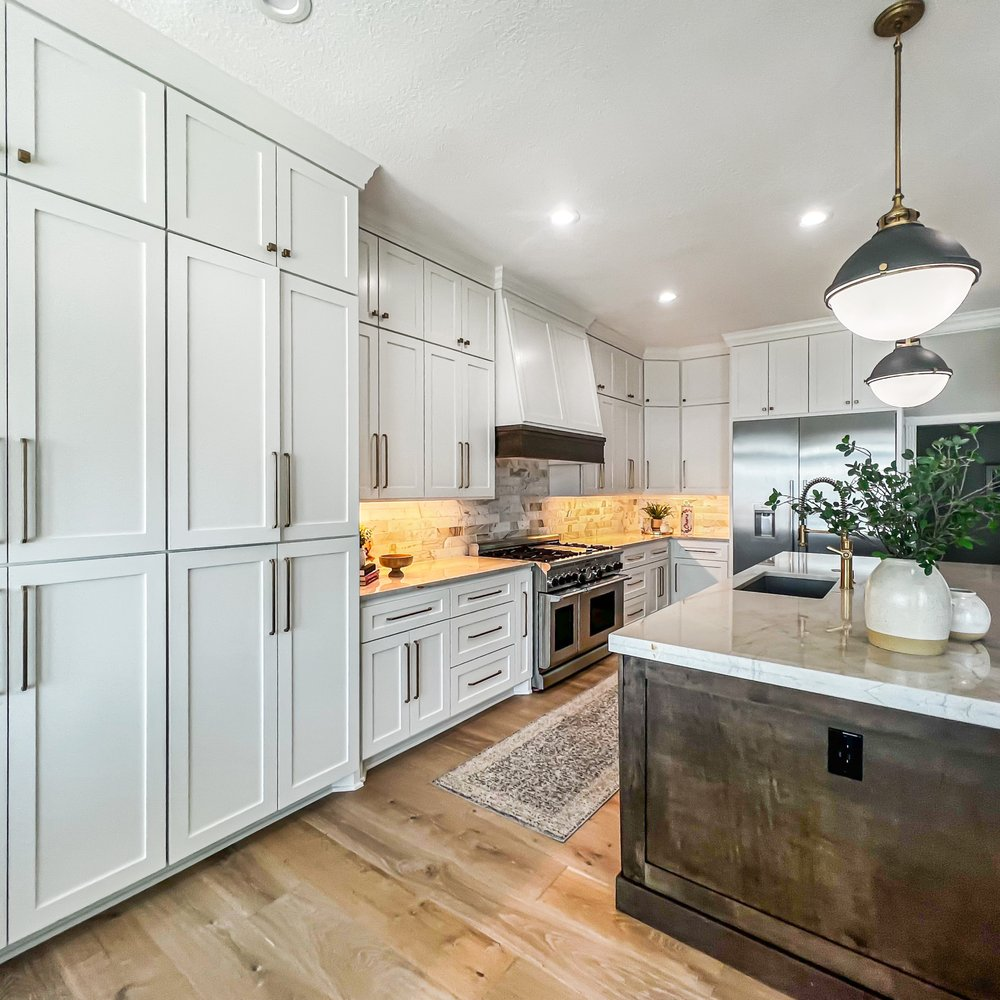
In The Woodlands, your kitchen faces high indoor humidity, steam and grease from daily cooking, temperature swings from ovens and stoves, and heavy family traffic. Lower-grade materials fail faster under those conditions — especially near sinks, dishwashers, and cooktops.
Smart, long-lasting material choices
Cabinets
- Solid wood doors/frames and high-quality plywood cabinet boxes (better humidity stability than particle board)
- Soft-close hinges and drawer slides to reduce impact stress
- Moisture-resistant finishes around sink bases and trash pull-outs
Countertops
- Quartz – non-porous, stain resistant, ideal for humid climates
- Porcelain slab – extremely hard, very heat resistant
- Sealed granite – durable when properly sealed and maintained
Flooring
- Porcelain tile
- Luxury Vinyl Plank (LVP) with a strong wear layer
- Engineered hardwood with a moisture-resistant core
If you want a quick material decision helper, compare options here: most durable kitchen materials for Woodlands homes (2026). And if cabinetry is the weak link, start with kitchen cabinet durability in The Woodlands plus the practical breakdown: custom cabinets vs stock vs semi-custom.
When materials are selected as a system (cabinets + ventilation + counters + lighting), kitchens simply last longer. That’s the focus of our interior remodeling services in The Woodlands, Texas.
This kind of coordinated, longevity-focused approach is typical of projects like our Kitchen Remodel Project, where cabinetry construction, moisture-resistant materials, ventilation planning, and finish selections are treated as a single system to maximize durability in Southeast Texas humidity rather than as disconnected upgrades.
2. Control Moisture & Improve Ventilation
In a tree-covered, humid area like The Woodlands, moisture is your biggest enemy. It can cause swollen cabinet doors, mold in hidden zones, peeling paint, bubbling finishes, and lingering kitchen odors.
Upgrade your ventilation (this is where most kitchens lose years)
- Use a vent hood that’s sized for your cooktop and cooking style (especially if you cook daily)
- Whenever possible, vent to the exterior instead of only recirculating
- Run the hood for 5–10 minutes after cooking to clear moisture and grease
- Don’t let dishwasher steam linger — crack the door after the cycle, or use a dry/vent setting
If you want the “what size hood, what habits, what fails first” breakdown, read: Kitchen Ventilation 101 for The Woodlands. Better airflow alone can add years to cabinet finishes and paint.
For a science-backed overview of why moisture control matters, the EPA explains practical ways to reduce indoor dampness here: What are the main ways to control moisture in your home?
If your hood is underpowered, ducting is poorly routed, or you’re battling persistent odor/humidity, our local team can help. Start here: remodeling contractors in The Woodlands, Texas.
3. Protect Your Cabinets With a Simple 6-Month Routine
Cabinets are often the first thing that looks tired in a Woodlands kitchen — especially around the stove and sink. A simple twice-yearly routine keeps doors aligned, finishes intact, and moisture damage from spreading.
Every 6 months, do this:
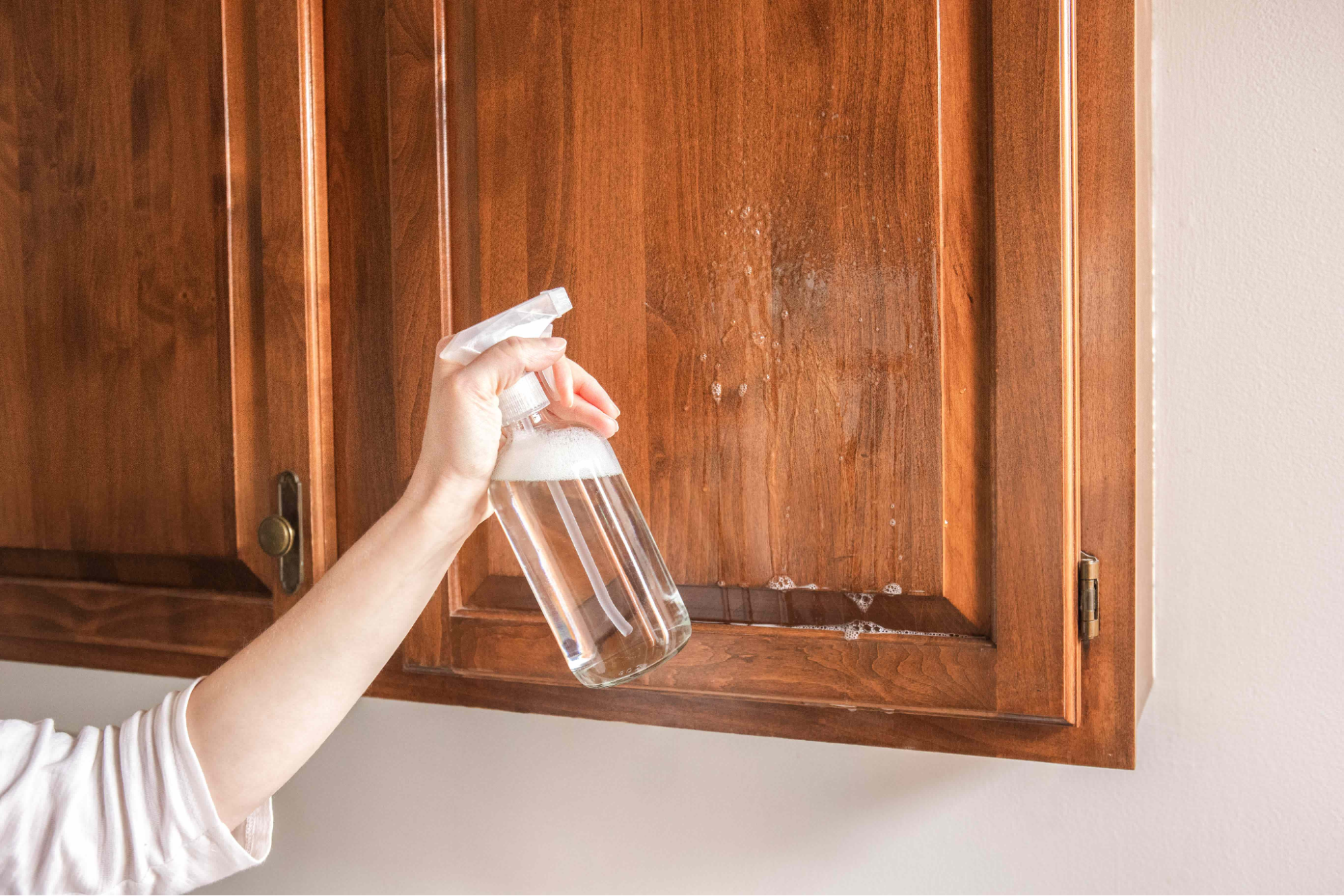
- Wipe cabinet fronts gently with warm water + mild dish soap (skip harsh abrasives)
- Degrease around the cooktop zone and hood line (grease traps moisture and stains finishes)
- Tighten hinges and drawer screws to prevent sagging and misalignment
- Check under the sink for moisture, soft spots, and musty smell; add a waterproof mat
- Inspect toe kicks and corner bases for swelling (early warning sign)
If your home is older (common in parts of The Woodlands), add this to your reading list: how to maintain kitchens in older Woodlands homes and the quick “avoid these” checklist: 20 kitchen cleaning mistakes Woodlands homeowners make. The wrong cleaners and habits can dull finishes and shorten cabinet life.
If cabinet doors are worn but the layout works, you may not need a full replacement. Depending on condition, refinishing, hinge upgrades, or selective replacements can extend life significantly. Contact us to compare options.
4. Maintain Countertops the Right Way
Countertops take the most daily abuse — heat, spills, abrasion, and stains. The good news: most premature countertop “failure” is avoidable with a few habits.
Quartz
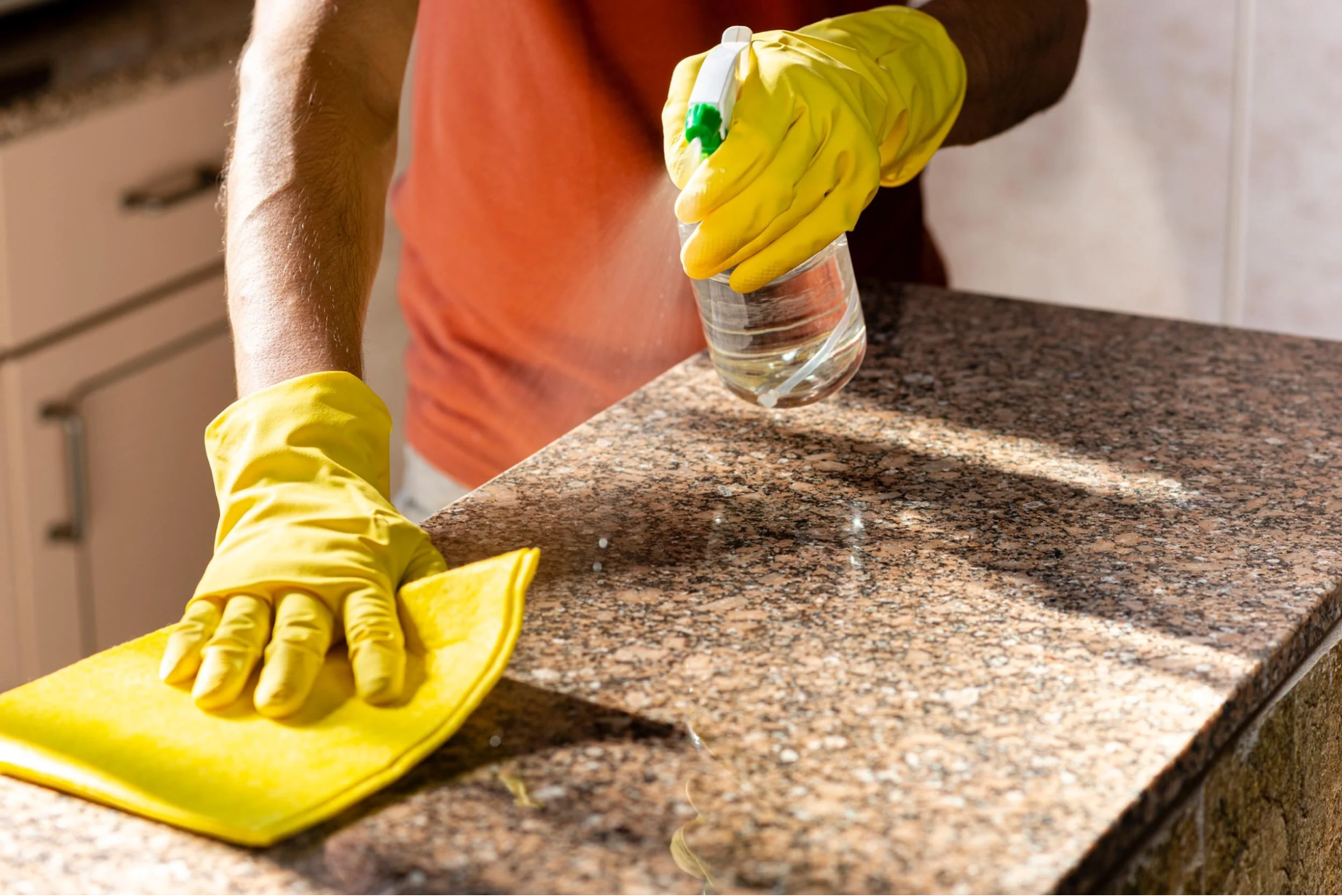
- Wipe daily with a soft cloth + mild soap
- Use trivets for hot pans (thermal shock can still be a problem)
- Avoid harsh abrasives that dull the surface over time
Granite / natural stone
- Avoid acidic cleaners (vinegar/lemon) that can etch or weaken sealers
- Reseal when water stops beading (often every 12–18 months depending on use)
If you’re deciding what lasts longest in real Woodlands kitchens, use this comparison: Quartz vs Granite vs Porcelain: which countertop lasts longest? (It’s one of the best “buy once, cry once” decisions you can make.)
Planning counters as part of a larger refresh? A coordinated approach (counters + backsplash + lighting + storage) usually beats piecemeal fixes. See: kitchen remodeling in The Woodlands.
5. Deep Clean High-Wear Areas Every Season
Treat quarterly deep cleaning as preventive maintenance — not just “cleaning.” Grease film and trapped moisture slowly damage finishes, caulking, paint, and even indoor air quality.
Seasonal deep-clean checklist
- Range hood & filters – degrease, wash, and dry
- Backsplash & walls near the cooktop – remove sticky grease film
- Behind and under the refrigerator – clean dust and debris; wipe coils area
- Dishwasher – clean filter and run a cleaning cycle
- Sink edges – replace failing caulk/silicone before moisture gets underneath
- Grout lines – scrub and re-seal if needed
Want a full kitchen freshness routine built for this climate? Use: Ultimate 2026 guide to keeping your Woodlands kitchen clean, fresh & odor-free.
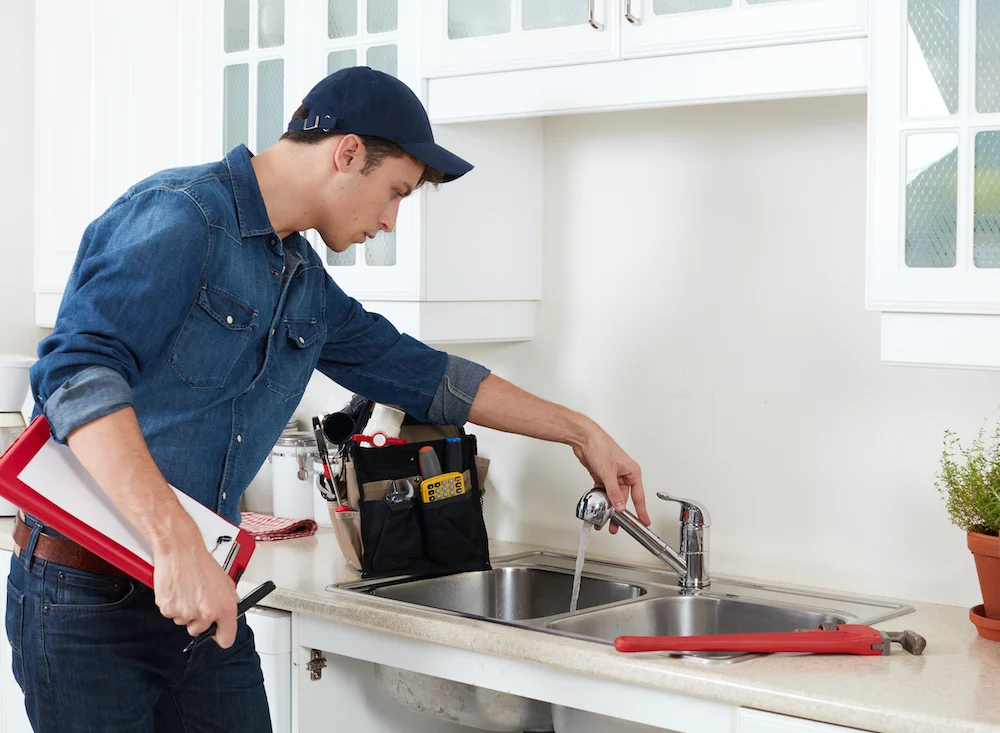
6. Fix Plumbing Issues Immediately (Water Is the Silent Destroyer)
In The Woodlands’ humidity, small leaks become big damage faster. A slow drip can quietly destroy cabinet bases, subfloor, and trim — long before it becomes obvious.
Watch for these warning signs:
- Swollen cabinet bottoms or discolored kickboards
- Musty smells under the sink
- Soft/spongy flooring near the dishwasher or fridge
- Drips from the P-trap, faucet base, or supply lines
Quick protection tips
- Use stainless braided supply lines
- Add leak sensors under sinks and behind dishwashers
- Fix the source first, then dry thoroughly (fans + dehumidifier if needed)
If you’re already dealing with recurring issues, it may be time to upgrade the weak points — not just patch them. This pairs well with a phased plan like: kitchen remodel timeline.
7. Replace Small Hardware Before It Fails
Many kitchens “feel old” long before the cabinets or counters are actually finished. It’s usually the small parts: loose hinges, sticky drawers, failing caulk, or a faucet that starts dripping.
Consider replacing these every 5–8 years:
- Faucet cartridges or older faucets
- Garbage disposal units that grow noisy or weak
- Dishwasher inlet/drain hoses (if aging)
- Drawer glides that no longer close smoothly
- Worn cabinet hinges and door bumpers
- Old silicone/caulk around sinks and backsplashes
If you’re doing a refresh cycle, combine hardware + lighting + backsplash for a high-impact update. Inspiration: top kitchen remodeling trends in The Woodlands.
8. Maintain Appliances to Add 3–6 Years of Extra Life
Well-maintained appliances don’t just last longer — they also protect surrounding cabinets from heat, steam, and leaks. Think of appliances as part of your kitchen’s “ecosystem.”
Refrigerator
- Clean coils area at least twice a year
- Confirm doors seal properly
- Leave breathing room behind the unit so heat can escape
Dishwasher
- Clean the filter regularly
- Check the corners/underneath for early moisture signs
- Don’t overload — it strains racks, seals, and drains
Range & oven
- Keep burners/igniters clean
- Use the hood consistently to reduce grease buildup on nearby finishes
If appliances are older AND the layout is inefficient, it may be smarter to plan an upgrade around workflow. Use this layout guide: best kitchen layouts for Woodlands home types (2026).
9. Add a Few Longevity-Focused Upgrades
Some small upgrades act like “armor” for the most vulnerable parts of your kitchen — and they’re often cheaper than repairing damage later.
- Soft-close hinges and drawer slides to reduce slamming stress
- Under-sink waterproof trays to catch minor leaks before they spread
- Toe-kick ventilation or improved airflow in dead zones
- Under-cabinet LED lighting (cooler operation, better visibility)
- Durable backsplash surface near the cooktop instead of painted drywall
- Felt pads under stools/chairs to protect flooring
If you want a phased plan based on your current condition and budget, request a free estimate.
10. Refresh Every 5–7 Years Instead of a Full Gut Remodel
You don’t have to rip everything out to keep your kitchen feeling (and functioning) fresh. A strategic refresh every 5–7 years can delay — or even prevent — a premature full remodel.
High-impact refresh ideas
- Update cabinet hardware and worn hinges
- Repaint/re-stain cabinetry (when structure is still solid)
- Upgrade faucet + add a better sink setup
- Replace or update backsplash
- Improve lighting (task lighting changes everything)
- Re-caulk around sink edges and along countertops
If you’re wondering whether to refresh or remodel, these two reads help: kitchen remodeling cost in The Woodlands and how long a kitchen should last (2026).
11. Don’t Forget Mold Prevention in Hidden Zones
Some of the most critical longevity zones are the ones you rarely see:
- Behind the refrigerator
- Under the sink
- Behind the dishwasher
- Along exterior-facing walls and corners
For a government reference on why moisture control matters for both health and building durability, the EPA’s mold guide is the best place to start: A Brief Guide to Mold, Moisture and Your Home (EPA).
Mold prevention is also a ventilation story — which is why this is worth bookmarking: Kitchen Ventilation 101.
Final Thoughts
In The Woodlands, your kitchen doesn’t have to “age out” early just because of humidity or heavy use. If you:
- Choose durable, moisture-resistant materials,
- Improve ventilation and reduce humidity exposure,
- Follow a simple 6-month cabinet routine,
- Deep clean high-wear zones every season,
- Fix plumbing issues immediately, and
- Refresh strategically every few years,
you can realistically extend the life of your kitchen by 10+ years often much more while keeping it healthier and more enjoyable day-to-day.
Planning improvements to extend your kitchen’s lifespan in The Woodlands, reach out to The Woodlands home remodeling and renovation .
When you’re ready, you can also request a free quote or contact us to talk through ideas, budget, and timing with a Woodlands kitchen specialist.
Choosing the right contractor matters. Reach out to Remodeling contractors The Woodlands & nearby areas like Spring, Conroe, Tomball, and Magnolia.