

Introduction
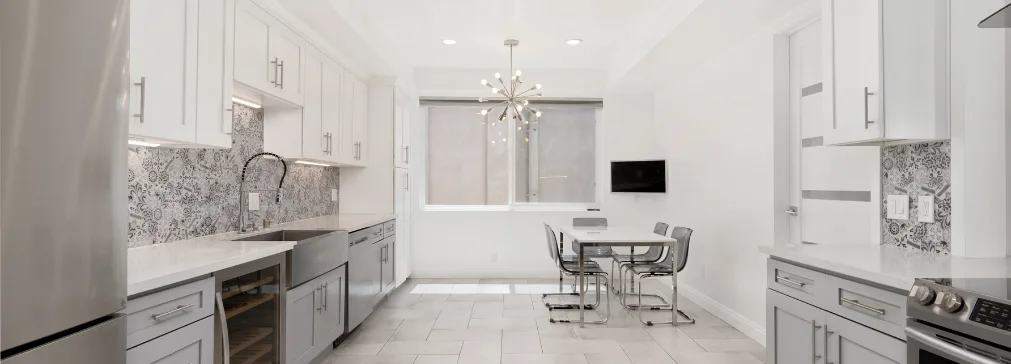
Texas homes are evolving and so are the families living in them. In 2026, more homeowners across The Woodlands, Dallas–Fort Worth, Houston, Austin, and surrounding communities are choosing to expand rather than relocate. With rising property values and limited inventory in desirable neighborhoods, moving isn't always the smartest financial decision.
Instead, families are investing in home additions in Texas to create more space, improve daily functionality, and increase long-term property value. Whether it's a growing family needing an extra bedroom, remote professionals building a dedicated office, or multi-generational households designing private suites, Texas home expansion projects are reshaping how people live.
If you are ready to explore what is possible, our home additions services cover everything from room additions to full second-story builds. Homeowners in the greater Houston area can also explore our home additions services in The Woodlands, where our team has deep experience with local zoning, HOA requirements, and Texas climate-specific construction. For a team that coordinates every phase from permits to final inspection, our remodeling contractors in The Woodlands bring the structural oversight and accountability your project deserves.
Why Texas Homeowners Are Choosing Home Additions in 2026
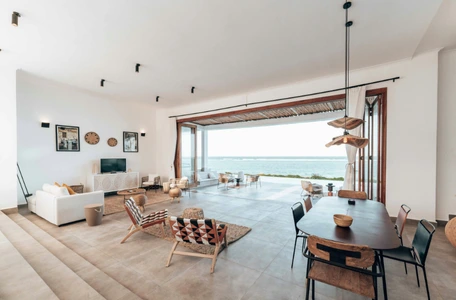
Several Texas-specific market conditions are pushing homeowners toward expansion rather than relocation.
1. High Property Values in Established Areas
- Higher replacement home prices
- Competitive inventory markets
- Desirable school districts
- Stronger equity positions
2. Multi-Generational Living
More families are designing homes to accommodate aging parents or returning adult children. In-law suites, private entries, and flexible layouts are among the most requested custom home additions Texas homeowners are planning. For a detailed breakdown of costs specific to the north Houston area, our guide on home addition costs in The Woodlands, Conroe, and Magnolia covers what to budget for each addition type.
3. Remote & Hybrid Work
Dedicated home offices with soundproofing, built-in storage, and natural lighting are becoming permanent features not temporary solutions.
4. Financial Predictability
The cost to expand your home in Texas is often more predictable than navigating realtor commissions, moving costs, and new property taxes.
Popular Types of Home Additions in Texas
1. Room Additions
- Extra bedrooms
- Larger living rooms
- Kitchen expansions
- Master suite extensions
Room additions remain the most common Texas home expansion solution because they add functional square footage without changing overall structure. For family-specific ideas on which room types deliver the most impact, see our article on popular home addition ideas for growing families.
2. Second-Story Additions
- Doubles square footage
- Preserves backyard space
- Strong long-term ROI
Second-story additions are among the most structurally complex projects a homeowner can undertake. You can see how a second-story project is planned and executed in our College Park second story addition project.
3. Garage Conversions
- Home offices
- Gyms
- Guest suites
- Studio apartments
4. Accessory Dwelling Units (ADUs)
- Rental income
- In-law housing
- Guest house
ADUs are growing in popularity across Texas. Before deciding between an ADU and a conventional addition, read our comparison of accessory dwelling units vs home additions in The Woodlands to understand which option fits your lot, budget, and goals.
5. Sunrooms & Outdoor Living Extensions
With Texas' warm climate, outdoor expansions remain highly popular in Houston, Austin, and suburban areas. Sunrooms in particular offer a cost-effective way to gain usable square footage — our dedicated guide on sunrooms in The Woodlands covers design options, costs, and what to expect from the permit process.
6. In-Law Suites
- Private bathrooms
- Kitchenettes
- Separate entrances
Cost of Home Additions in Texas in 2026
What is the room addition cost Texas 2026 homeowners should expect?
| Type of Addition | Estimated Cost per Sq Ft (Texas 2026) |
|---|---|
| Basic room addition | $180 – $250 |
| Mid-range addition | $250 – $350 |
| High-end custom | $350 – $500+ |
| Second-story addition | $300 – $450 |
| ADU | $200 – $400 |
What Affects Cost?
- Foundation type (slab vs pier & beam)
- Structural engineering
- Plumbing & HVAC extensions
- Roof integration
- Material selections
- Permit requirements
Example: A 400 sq ft master suite addition in The Woodlands at $275/sq ft may total around $110,000 before upgrades. For a full cost breakdown by room type and finish level, our guide on home addition costs in The Woodlands, Conroe, and Magnolia provides detailed estimates you can use for initial budgeting.
Permits and Regulations in Texas
Every city has its own codes, but most additions require:
- Building permits
- Electrical permits
- Plumbing permits
- Structural inspections
HOAs may require exterior material matching and design approval. Setback rules vary in Houston, Austin, and Dallas. Always confirm zoning before finalizing plans. For a detailed look at what is required specifically in the north Houston area, our guide on permits and zoning for home additions in Montgomery County walks through the approval process step by step. You can also read our broader overview of permits and remodeling in Montgomery County to understand how local permit offices handle residential expansion projects.
Understanding how long permitting takes is equally important for timeline planning. Our guide on how long a home addition takes in Texas includes a breakdown of how permit timelines affect overall project schedules.
Design Trends for Home Additions in 2026
- Open-concept layouts
- 10–12 ft ceilings
- Black or bronze window frames
- Mixed stone and siding exteriors
- Large sliding patio doors
- Neutral palettes
- Quartz countertops
- Engineered hardwood floors
Modern additions must feel seamless — not like obvious attachments. For inspiration on how exterior materials and finishes are selected to achieve that seamless look, browse our article on top exterior remodeling trends. You can also see how seamless integration was achieved in our Harris County room additions project, where exterior material matching was a central design priority.
Energy Efficiency and Smart Home Integration
- Spray foam insulation
- Radiant barrier roofing
- Energy-efficient windows
- Zoned HVAC systems
- Smart thermostats
- Automated lighting
- Security system integration
- Smart irrigation
Texas heat demands performance-driven building design. Efficient additions reduce long-term utility costs. For a deeper look at how energy efficiency is built into modern Texas homes, our guide on energy-efficient remodeling ideas for The Woodlands homes covers insulation, windows, and HVAC choices that pay off over time.
Expand vs Move: Which Is Better in 2026?
Expanding Your Home
- Stay in your neighborhood
- Customize layout
- Avoid realtor commissions
- Increase property value
Moving
- Higher purchase prices
- Closing costs
- Moving expenses
- Possible higher interest rates
In many Texas cities, expanding provides stronger ROI than relocating. To understand which remodeling investments deliver the highest financial return, our guide on which home remodels add the most value breaks down ROI by project type and helps homeowners prioritize where to invest.
Common Mistakes to Avoid
- Underestimating total budget
- Skipping engineering reviews
- Ignoring permit compliance
- Hiring lowest-bid contractors
- Poor exterior material matching
Many of these mistakes have long-term consequences that are far more expensive than the shortcuts that caused them. Our article on 5 common remodeling mistakes Woodlands homeowners make covers the pitfalls that appear most often in local addition and renovation projects — and how to sidestep each one.
For a deeper look at how structural shortcuts specifically can lead to costly failures, our guide on home remodeling structural changes, permits, and costly mistakes is essential reading before any addition project begins.
How to Choose the Right Contractor in Texas
- Licensed and insured
- Experience with Texas codes
- Detailed written proposal
- Transparent cost breakdown
- Clear timeline and communication plan
Choosing the right contractor is one of the most important decisions in any addition project. Our detailed guide on how to choose the right remodeling contractor in The Woodlands walks through the full vetting process — from checking insurance and permits to evaluating proposals and spotting red flags. You can also see what experienced contractor-led additions look like in our Montgomery County room additions project.
Timeline for a Home Addition Project in 2026
- Planning & Design: 4–8 weeks
- Permits & Engineering: 2–6 weeks
- Construction: 3–6 months
- Final Inspections: 1–2 weeks
Weather conditions, especially storm seasons, can impact schedules. For a comprehensive look at what influences timelines at each phase, our guide on how long a home addition takes in Texas covers permitting delays, contractor sequencing, and inspection windows in detail.
Final Thoughts: Is a Home Addition Right for You?
In 2026, expanding your home in Texas isn't just about adding square footage it's about improving daily living. Whether you need space for family, work, or comfort, a well-planned home addition can transform your lifestyle while increasing long-term property value.
With proper budgeting, engineering, and contractor selection, a Texas home expansion can deliver both lifestyle and financial returns. For a broader view of how full home renovations are planned and executed in this region, our Woodlands home remodeling guide is a useful starting point, and our article on the most valuable interior upgrades for increasing home value in The Woodlands can help you decide which additional improvements to pair with your addition for maximum impact.
Choosing the right contractor matters. Reach out to Remodeling contractors The Woodlands & nearby areas like Spring, Conroe, Tomball, and Magnolia.